
Vertical shade lattices are becoming an essential part of climate-responsive architecture in Dubai. These lattice systems help reduce heat, manage glare, and shape airflow around tall structures. To understand how these lattice strategies, behave before construction, architects rely on model making as a core evaluation tool.
Scaled prototypes allow teams to test how light and wind move through vertical screens in Dubai’s harsh climate. The approach offers clear visual and technical insight. It also supports better design choices in early project stages.
Importance of Vertical Shade Lattices in Dubai
Dubai faces strong sunlight, high temperatures, and high glare levels for most of the year. Many buildings use vertical shade lattices to soften direct sunlight. These structures lower cooling loads and create more comfortable outdoor and indoor spaces.
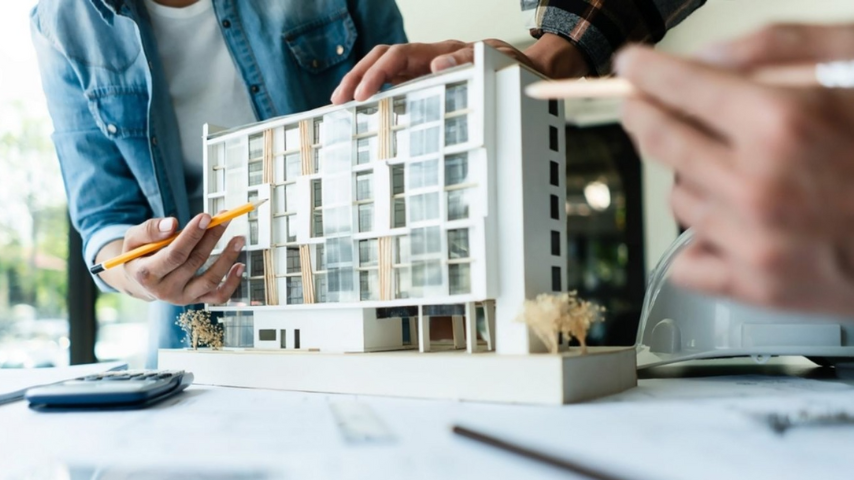
They protect façades from solar stress and help shape cooler microclimates. When architects plan such systems, they need ways to test variations in density, height, alignment, and material texture. This is where model making Dubai becomes essential. Scaled models show how the lattice reacts to sunlight at different hours and angles. They also highlight how shaded zones change over time.
How Models Simulate Sun Movement on Vertical Lattices
Sun exposure in Dubai shifts quickly during the day. A vertical lattice may block morning sun well but struggle with afternoon glare. Physical models help designers track these changes. Teams place scaled towers under controlled light sources.
They rotate the source to mimic Dubai’s sun path. This allows them to observe shadow thickness and direction. Minor shifts in lattice spacing can create large differences in shadow reach. The physical form helps designers see these effects instantly. Using model making offers a precise way to understand how sunlight interacts with vertical geometry.
Testing Heat Reduction Through Lattice Patterns
Heat behavior is a major factor in façade performance. A vertical shade lattice can prevent surfaces from overheating if its pattern is optimized. Through scaled studies, designers examine how much radiant heat reaches the building skin. Some lattices create deep shadows that reduce heat gain. Others produce a lighter shade that lowers glare but allows more warmth in.
When teams use model making, they compare multiple patterns quickly. They can change the density of the screens. They can test perforation sizes. They can also apply different materials to simulate reflectivity. This approach helps developers choose systems that both save energy and improve comfort.
Simulating Airflow Through Lattice Structures
Vertical shade systems do more than manage light. They guide airflow across outdoor terraces, podiums, and tower façades. Dubai’s wind patterns are complex due to the many tall structures. Rooftop turbulence and canyon winds influence comfort levels. Architects use scaled wind studies to see how the lattice behaves. In these tests, controlled air streams expose weak zones and strong ventilation pockets. Some lattice patterns reduce airflow too much. Others guide breezes more efficiently around terraces. Model making helps refine these shapes. It supports healthier wind movement and better ventilation strategies for mixed-use blocks.
Understanding Lattice Impact on Glare Control
Glare is one of Dubai’s most challenging comfort issues. Vertical lattices reduce glare by cutting intense direct beams. Physical prototypes help teams test how much glare remains at various times of day. Light sensors measure brightness bouncing through the lattice gaps.
The model reveals how different angles and depths influence glare levels in public spaces. Dense lattices may reduce glare well but block views. Thin lattices may show too much reflective brightness. Designers adjust these features by analyzing the model. The process shows where visual comfort improves and where the lattice needs refinement.
Evaluating Social Comfort in Shaded Public Areas
Shade quality influences how people use public areas in Dubai. Well-designed vertical lattices can make a plaza more usable in peak heat hours. Scaled models illustrate how the shade falls on pedestrian pathways. They highlight pockets where comfort increases.
They also reveal areas where shade is too thin or inconsistent. This helps planners revise geometric forms to support daily public activities. With model making, it becomes easier to predict how people will move and rest within shaded spaces. It ensures that the lattice system enhances walkability and usability.
Comparing Material Behavior Through Physical Prototypes
Different lattice materials perform differently under Dubai’s sunlight. Reflective steel may create glare. Porous composites provide softer shadows. Wood-like materials add warmth but may not reflect heat efficiently. By applying different textures to the scaled models, designers see how they interact with light and wind. This allows informed selection before full-scale installation. It reduces costly mistakes. It also ensures that the final material balances performance and visual identity.
Final Thoughts
Vertical shade lattice simulations play a major role in Dubai’s architectural strategy. They help manage sunlight, reduce heat, guide airflow, and improve comfort in dense developments. Using model making for these simulations provides accurate and practical insight. Scaled prototypes reveal how design decisions influence comfort and energy use. They guide architects toward better performing lattices that suit Dubai’s climate. This approach strengthens design efficiency and improves the overall quality of the built environment.

Leave a Comment