
Introduction: Celebrating the Rich and Diabetes-Friendly Breakfast Culture of South India
South India is known for its vibrant culture, warm hospitality, and a cuisine that is deeply rooted in tradition. The states of Andhra Pradesh, Karnataka, Telangana, Tamil Nadu, and Kerala together bring an incredible variety of flavours to Indian breakfast tables. Whether it is the cloud-soft idli, the crisp golden dosa, the comforting vada, or the many lentil-based preparations, these dishes have become loved across the world. However, most traditional South Indian breakfasts use a high amount of white rice, which has a higher glycemic index. This means it can raise blood sugar quickly, which becomes challenging for people living with diabetes.
The beautiful part is that these iconic dishes can still be enjoyed with a few mindful changes. Swapping white rice with healthier alternatives, choosing better cooking methods, and increasing the use of dals and whole grains can easily turn classic South Indian breakfasts into nourishing, diabetes-friendly meals. These small changes keep the original flavours intact while supporting better digestion, slow energy release, and more stable blood sugar. Understanding how each dish can be adapted empowers you to enjoy the cuisine you love without compromising on your health goals.
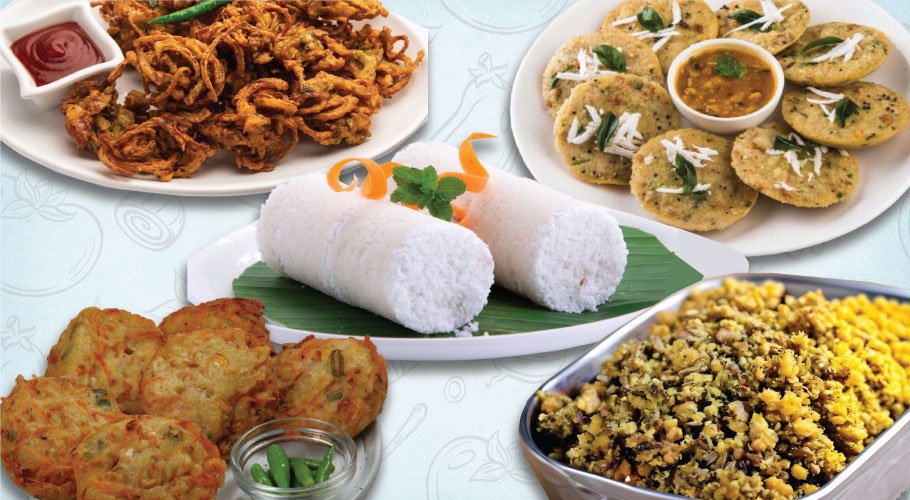
Kancheepuram Idli: A Protein-Rich and Flavourful Start to Your Morning
Kancheepuram Idli is one of Tamil Nadu’s most famous temple-style preparations and is cherished for its special seasoning and unique taste. Traditionally, this idli is made from a mixture of rice and lentils and flavoured generously with cumin, pepper, ginger, and fresh curry leaves. To make it suitable for diabetics, replacing the rice completely with dals like moong dal and urad dal brings a wonderful balance of health and taste.
This version results in soft idlis that carry the same authentic flavours but are naturally richer in protein and fibre. Both these nutrients support slow digestion and help maintain longer satiety, reducing the urge to snack soon after breakfast. Because the batter does not use rice at all, the overall glycemic load becomes much lower, making it a perfect choice for maintaining stable blood sugar levels. This healthier Kancheepuram Idli feels comforting, energising, and completely aligned with diabetes-friendly eating.
Ulli Vada: A Crispy and Light Treat Prepared with Minimal Oil
Ulli Vada is a popular Kerala snack, loved for its resemblance to onion pakoras but with a flavour that is distinct to the coastal region’s cuisine. Traditionally, these fritters are deep-fried, which makes them high in oil and unsuitable for people who need to control their sugar levels. The good news is that you can enjoy the same taste by cooking them in an appe pan, which uses very little oil but still gives the fritters a crispy texture.
In this method, onions mixed with a seasoned batter cook beautifully, turning golden on the outside and slightly caramelised inside. The result is a light and crunchy snack that does not feel heavy or oily. Because it uses minimal oil, it supports better digestion and does not lead to sudden spikes in blood sugar. Ulli Vada made this way can easily become a breakfast choice or even a guilt-free evening snack, especially when enjoyed with a mild dip or a fresh green chutney.
Puttu: A Traditional Kerala Breakfast Made Low-Glycemic with Brown Rice
Puttu holds a timeless place in Kerala’s breakfast culture. Traditionally steamed with white rice flour and grated coconut, it is one of the simplest yet most comforting dishes from the region. To make puttu more supportive of diabetic health, replacing white rice flour with brown rice flour makes a big difference. Brown rice flour has a much lower glycemic index since it retains the fibre-rich bran layer.
When steamed with coconut, brown rice puttu becomes a wholesome and nourishing breakfast that keeps you full for longer and supports stable sugar levels. It can be paired with kadala curry made using black chickpeas, which adds even more protein and fibre to the meal. You can also enjoy it with something lighter like green chutney. The combination of brown rice and coconut supports slow digestion and better metabolic health while giving a warm, comforting start to the day.
Ash Gourd Fritters: A Refreshing, Light, and Digestive-Friendly Option
Ash gourd is an incredibly beneficial vegetable for those managing diabetes. It is naturally cooling, rich in water, and contains gentle fibre that supports digestion and hydration. When mixed with urad dal batter and cooked in an appe patra, ash gourd turns into delicate fritters that are crisp on the outside and soft inside.
These fritters offer a pleasant crunch without the heaviness of deep-frying. When paired with sambar or chutney, they create a breakfast that feels indulgent but is actually very light on the stomach. Ash gourd supports hydration, cooling, and better digestion, making these fritters ideal for warm climates or for anyone who prefers a refreshing, gentle start to their morning.
Beans Paruppu Usili: A Nutritious Tamil Brahmin Classic
Beans Paruppu Usili is a widely loved dish in Tamil Brahmin households. It brings together crumbled steamed lentils and tender green beans in a simple yet flavour-rich preparation. This dish is naturally high in plant-based protein and fibre, two components that play a major role in stabilising blood sugar levels.
Since it uses minimal oil and focuses entirely on whole ingredients, Beans Paruppu Usili becomes an excellent diabetes-friendly breakfast. It can be enjoyed as a standalone meal or paired with rasam or sambar for added comfort. The combination of lentils and beans provides sustained energy, making it a deeply satisfying way to begin your day.
Embracing South Indian Breakfasts with Smart and Mindful Choices
South Indian breakfasts are rich, flavourful, and deeply meaningful in their culinary heritage. With a few smart adjustments such as choosing brown rice over white rice, increasing the use of lentils, and reducing oil, these dishes become supportive of long-term health and blood sugar balance. The flavours remain authentic, the meals remain comforting, and you gain the confidence of eating in a way that aligns with better wellbeing.
If you wish to explore these recipes in more detail and understand how they fit into a diabetes-friendly diet, you can read the complete article on our website. Here is the link to the full blog for deeper insights:
https://www.freedomfromdiabetes.org/blog/post/5-best-south-indian-diabetes-friendly-breakfast-recipes/2972


Leave a Comment