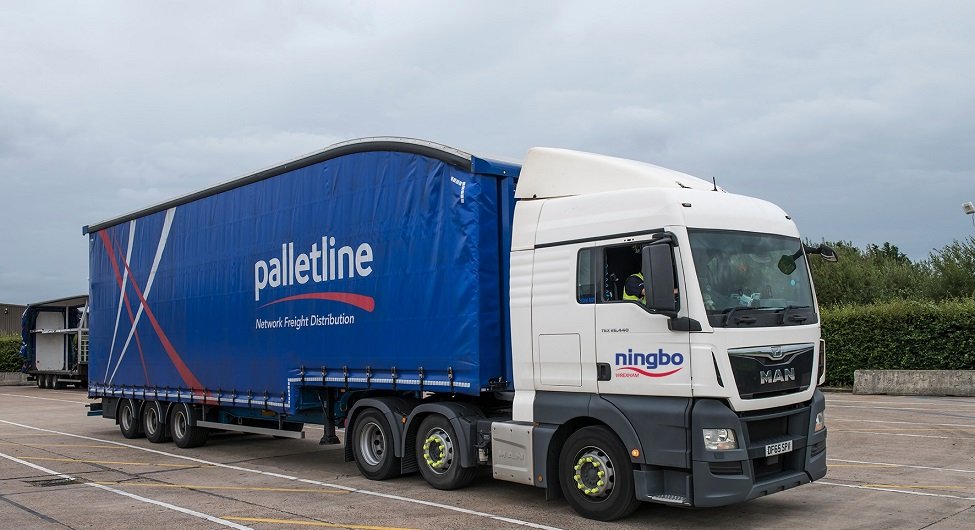

In modern logistics, businesses are constantly searching for reliable ways to move goods efficiently, safely, and cost-effectively. One of the most widely used freight models across the UK and Europe is palletised distribution. This approach has become a cornerstone of supply chain operations, supporting businesses of all sizes with structured handling, predictable delivery schedules, and nationwide reach.
As customer expectations continue to rise, logistics systems must deliver both speed and consistency. Pallet-based freight transport provides an organised framework that simplifies operations while protecting goods throughout the journey.
Understanding the Concept of Pallet-Based Freight
Pallet-based freight transport involves securing goods onto standardised pallets, making them easier to handle, stack, and move using mechanical equipment. These pallets are collected from businesses, transferred through logistics hubs, and delivered to their final destinations through coordinated networks.
This method reduces manual handling, lowers the risk of damage, and improves efficiency at every stage of transportation. It also allows multiple shipments from different customers to share vehicle space, making logistics more economical and environmentally responsible.
Why Palletised Distribution Matters in Today’s Supply Chains
In fast-paced markets, delays and damaged goods can significantly impact customer satisfaction and operational costs. Palletised distribution offers a structured system that minimises these risks by standardising how freight is handled and transported.
Businesses benefit from predictable transit times, improved tracking, and consistent service levels. This reliability makes pallet-based transport especially valuable for companies managing time-sensitive deliveries or operating across multiple regions.
How Pallet Networks Operate
Most pallet networks function through a hub-and-spoke model. Local depots collect palletised freight from customers and transport it to a central hub, where shipments are sorted by destination. From there, pallets are dispatched to regional depots for final delivery.
This collaborative system allows logistics providers to offer extensive coverage without sacrificing local knowledge. Each depot remains responsible for its service area, ensuring accountability and efficient last-mile delivery.
Cost Efficiency and Flexible Shipping Options
One of the strongest advantages of palletised distribution is cost efficiency. Businesses only pay for the pallet space they use rather than hiring full vehicles, which is particularly beneficial for small to medium-sized shipments.
This flexibility allows companies to scale their logistics operations without major cost increases. Whether shipping a single pallet or multiple consignments per week, pallet networks provide a pricing structure that adapts to changing demand.
Improved Freight Safety and Reduced Damage
Transporting goods on pallets adds an important layer of protection. Pallets keep products stable and elevated, reducing movement during transit and minimising exposure to damage.
Standardised handling procedures further enhance safety, as staff across the network are trained to manage palletised goods consistently. This results in lower damage rates and fewer claims, which is essential for maintaining customer trust and reducing operational disruptions.
Nationwide Reach with Local Expertise
A key strength of pallet-based logistics is the balance between national coverage and regional expertise. Local depots understand their delivery areas, traffic patterns, and customer requirements, allowing them to operate efficiently within their regions.
At the same time, central coordination ensures smooth movement of goods across the country. This combination creates a seamless distribution system that supports businesses with both local and national delivery needs.
Scalability for Growing Businesses
As companies expand, their logistics requirements often become more complex. Palletised distribution offers scalability without the need to restructure supply chains or change service providers.
Seasonal peaks, promotional surges, or expansion into new markets can be managed easily through existing pallet networks. This adaptability makes pallet-based freight transport a long-term solution for businesses planning sustainable growth.
Technology and Real-Time Visibility
Modern logistics relies heavily on digital tools, and pallet networks are no exception. Advanced tracking systems provide real-time visibility, allowing businesses to monitor shipments and plan inventory more effectively.
Technology also supports route optimisation, delivery scheduling, and performance reporting. These tools improve transparency, enhance decision-making, and strengthen relationships between logistics providers and customers.
Environmental Benefits and Sustainability
Sustainability is becoming a critical consideration in logistics planning. Palletised distribution contributes to greener operations by maximising vehicle capacity and reducing unnecessary journeys.
Consolidated freight movements help lower fuel consumption and carbon emissions. Many logistics providers are also investing in cleaner vehicles and sustainable practices, aligning pallet-based transport with environmental goals.
Industries That Depend on Pallet-Based Logistics
A wide range of industries rely on palletised distribution, including manufacturing, retail, construction, food and beverage, and e-commerce. Each sector benefits from the reliability, protection, and efficiency that pallet transport offers.
This versatility makes pallet-based logistics suitable for both fragile goods and heavy industrial products, supporting diverse supply chain requirements.
Choosing the Right Distribution Partner
Selecting the right logistics partner is essential for maximising the benefits of pallet-based freight transport. Businesses should evaluate network coverage, service reliability, technology capabilities, and customer support.
A strong provider will offer consistent delivery performance, clear communication, and the flexibility to adapt as business needs evolve.
Conclusion
Palletised distribution remains one of the most dependable and efficient logistics solutions available today. By combining structured handling, cost efficiency, and nationwide coverage, it supports businesses in meeting customer expectations while maintaining operational control.
As supply chains continue to evolve, pallet-based logistics will remain a vital component of reliable, scalable, and sustainable freight transport.


Leave a Comment