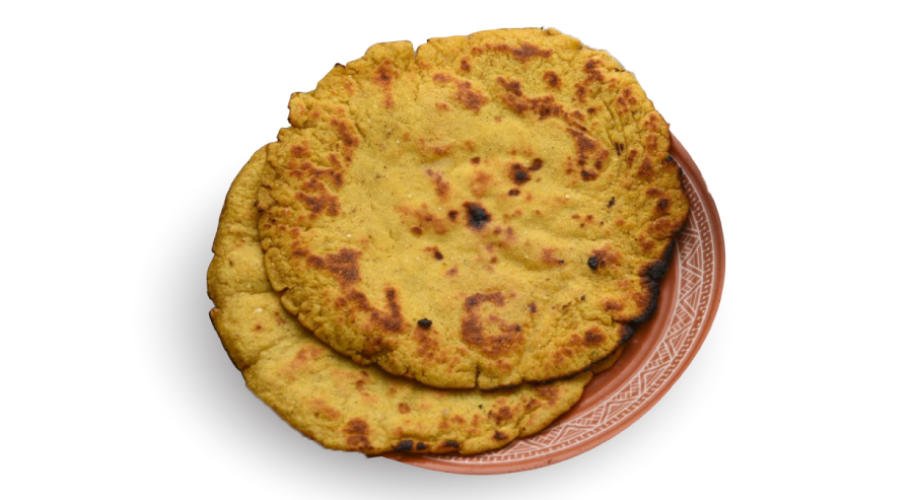

Missi Roti: A Traditional North Indian Flatbread for Balanced Eating
Among the many wholesome breads found in Indian cuisine, Missi Roti stands out for its unique combination of grains and legumes. Popular across Punjab and Rajasthan, this rustic flatbread is known for its earthy flavor, satisfying texture, and nutritional value. Made with a blend of whole wheat flour and gram flour (besan), Missi Roti has long been a staple in traditional Indian households.
Imagine a family gathering around a hot griddle on a winter evening. Freshly kneaded dough is shaped into flatbreads, cooked until golden brown, and served straight from the tawa. The aroma of roasted gram flour, fresh coriander, and green chilies fills the kitchen, making the meal both comforting and inviting.
Unlike many refined flour-based breads, Missi Roti combines the goodness of a grain and a legume in a single recipe. This combination creates a more balanced meal and adds both flavor and nourishment to the dinner table.
Why Missi Roti Is a Nutritious Choice
Traditional Indian wisdom often emphasizes combining cereals and pulses in meals. Missi Roti follows this principle naturally by blending wheat flour with gram flour.
Some reasons why Missi Roti is considered a wholesome option include:
- Contains both grain and legume ingredients
- Provides dietary fiber
- Offers plant-based protein
- More filling than many refined flour breads
- Easy to pair with vegetables, dals, and curries
Using khapli (emmer) wheat flour further enhances the nutritional profile, making the roti richer in fiber and nutrients compared to conventional refined flour products.
Ingredients
Main Ingredients
- 2 tablespoons khapli (emmer) wheat flour
- 3 tablespoons besan (gram flour)
Flavoring Ingredients
- 1 green chili, finely chopped
- ½ onion, finely chopped (optional)
- Fresh coriander leaves, finely chopped
- Pinch of rock salt
Optional
- 1 teaspoon flaxseed oil
The Story Behind Missi Roti
Missi Roti has its roots in the rural kitchens of Punjab and Rajasthan, where simple ingredients were transformed into nourishing meals. Farmers and laborers often relied on dishes that could provide sustained energy throughout the day, and Missi Roti became a practical solution.
Gram flour added richness and protein, while wheat flour provided structure and softness. Together, they created a bread that was flavorful, filling, and easy to prepare.
Over generations, families developed their own variations by adding onions, green chilies, coriander leaves, and regional spices. Despite these variations, the essence of Missi Roti has remained unchanged—a simple, wholesome flatbread made from everyday ingredients.
Step-by-Step Method
Step 1: Prepare the Dough
In a mixing bowl, combine:
- Khapli wheat flour
- Gram flour
- Chopped green chili
- Finely chopped coriander leaves
- Rock salt
If using onions, add them at this stage.
Mix all ingredients thoroughly.
Gradually add water and knead into a soft dough.
Allow the dough to rest for a few minutes.
Step 2: Heat the Griddle
Place a tawa or griddle over medium heat.
Allow it to become evenly hot before cooking the rotis.
Step 3: Shape the Rotis
Divide the dough into two equal portions.
Shape each portion into a ball.
Using your palms or a rolling pin, flatten each ball into a round roti.
Take care to maintain an even thickness for uniform cooking.
Step 4: Cook the Rotis
Place the rolled roti on the hot tawa.
Cook until small brown spots begin to appear.
Flip and cook the other side.
Continue turning as needed until both sides are evenly cooked and lightly browned.
Step 5: Finish and Serve
Remove the roti from the tawa.
Apply a small amount of flaxseed oil if desired.
Serve hot.
What Makes Khapli Wheat Special?
Khapli wheat, also known as emmer wheat, is an ancient grain that has been cultivated for centuries.
Compared to many modern wheat varieties, it is valued for:
- Higher fiber content
- Rich nutrient profile
- Traditional cultivation history
- Distinct nutty flavor
Its hearty texture works particularly well in traditional flatbreads such as Missi Roti.
Nutritional Highlights
Gram Flour (Besan)
Besan contributes:
- Plant-based protein
- Dietary fiber
- Important minerals
- A rich, nutty flavor
Khapli Wheat
Khapli wheat adds:
- Complex carbohydrates
- Fiber
- B vitamins
- Sustained energy
Coriander and Green Chilies
These ingredients enhance flavor while contributing vitamins and beneficial plant compounds.
Flaxseed Oil
When used sparingly, flaxseed oil provides healthy fats and adds a mild nutty taste.
Healthy Ways to Serve Missi Roti
Missi Roti pairs beautifully with a variety of traditional dishes.
Some nutritious combinations include:
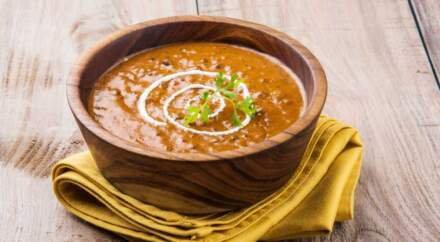
- Dal Makhani
- Amritsari Chole
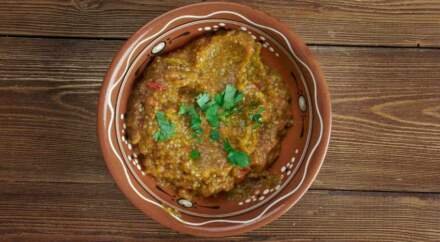
- Baingan Ka Bharta
- Mixed vegetable curry
- Palak-based dishes
- Fresh cucumber and carrot salad
- Homemade curd alternatives
Combining Missi Roti with vegetable-based dishes can help create a balanced and satisfying dinner.
Tips for Making Better Missi Roti
- Knead the dough thoroughly for a softer texture.
- Add fresh coriander for enhanced flavor.
- Avoid excessive oil during preparation.
- Cook on medium heat to prevent burning.
- Serve immediately for the best taste and texture.
- Experiment with herbs and spices for variety.
The Importance of Balanced Eating
Food plays a vital role in overall well-being. Beyond simply satisfying hunger, meals provide the nutrients needed for daily activities and long-term health.
Traditional recipes like Missi Roti demonstrate how simple ingredients can be combined thoughtfully to create nourishing meals. Understanding ingredients, choosing wholesome foods, and preparing them in balanced ways can help support healthier eating habits.
The five North Indian dinner recipes discussed so far—Baingan Ka Bharta, Amritsari Chole, Dal Makhani, and Missi Roti—show how traditional Indian cuisine offers numerous options that are both flavorful and nutritious.
Explore Freedom From Diabetes for healthy recipes for diabetes and diabetes diet tips.



Leave a Comment