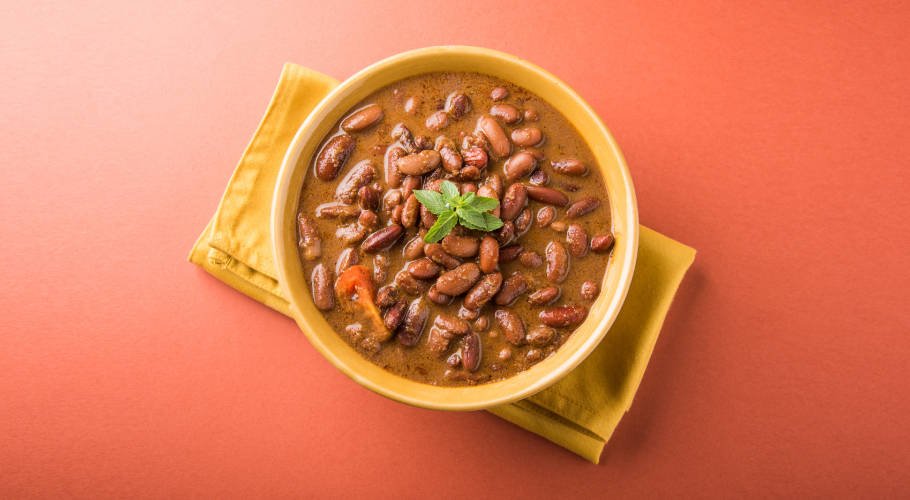

Diabetic-Friendly North Indian Lunch Recipes: Kashmiri Rajma for Balanced Nutrition
Why Traditional Lunch Recipes Can Be Modified for Better Blood Sugar Balance
North Indian lunches are known for their comforting flavors and wholesome ingredients. Many traditional meals already contain nutrient-rich foods such as legumes, spices, and vegetables. With small adjustments in ingredient selection and meal combinations, these dishes can become more balanced for individuals focusing on healthy eating and blood sugar management.
Kashmiri Rajma is one such traditional dish that combines flavor with nutritional value. When paired thoughtfully with whole grains and prepared using simple cooking techniques, it can become a satisfying lunch option.
What Is Kashmiri Rajma?
Kashmiri Rajma, also known as Jammu Rajma, is a variety of kidney bean commonly grown in the Jammu and Kashmir region. It looks similar to regular red rajma but is generally smaller in size, smoother in appearance, and develops a softer texture after cooking.
Its rich taste and creamy consistency make it a popular ingredient in traditional North Indian meals.
Because rajma naturally provides protein and fiber, it is often included in balanced meal plans.
Nutritional Benefits of Rajma
Rajma is valued not only for its flavor but also for the nutrients it contributes.
Some nutrients naturally present in rajma include:
- Plant-based protein
- Soluble fiber
- Magnesium
- Potassium
- Complex carbohydrates
Protein and fiber together may help improve meal satisfaction and contribute to slower digestion compared with highly refined meals.
Including legumes regularly may support a more diverse and balanced diet.
Why Brown Rice Makes a Better Pairing
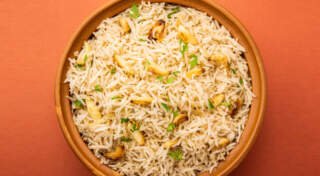
Traditional rajma is commonly served with rice. Choosing brown rice instead of refined white rice changes the nutritional profile of the meal.
Brown rice may contribute:
- Higher fiber content
- Improved meal satisfaction
- More gradual digestion
- Greater nutrient retention
Combining rajma and brown rice also creates a balanced combination of plant protein and complex carbohydrates.
Ingredients
For Kashmiri Rajma
- 250 gm rajma (kidney beans), soaked overnight
- 1 tablespoon oil
- 3 bay leaves
- 1 tablespoon cumin seeds (jeera)
- 2 teaspoons red chilli powder
- 2 teaspoons garlic paste
- 2 teaspoons ginger paste
- 2 medium onions, ground into paste
- 2 tomatoes, ground into paste
- Salt to taste
For Serving
- Freshly cooked brown rice
Step-by-Step Method
Step 1: Soak and Prepare the Rajma
Wash rajma thoroughly and soak overnight.
Soaking may help improve cooking consistency and texture.
Drain before cooking.
Step 2: Pressure Cook
Transfer soaked rajma into a pressure cooker.
Add sufficient water and cook until the beans soften and begin to crack slightly.
Allow pressure to release naturally.
Set cooked rajma aside.
Step 3: Prepare the Onion and Tomato Base
Blend onions into a smooth paste.
Blend tomatoes separately.
Keep both mixtures ready.
Step 4: Build the Flavor
Heat oil in a cooking pan.
Add:
- Cumin seeds
- Bay leaves
Allow the spices to release aroma.
Add onion paste and cook until softened.
Mix in:
- Ginger paste
- Garlic paste
Continue cooking until the mixture develops a richer texture.
Step 5: Add Rajma and Simmer
Add cooked rajma to the prepared masala.
Season with:
- Red chilli powder
- Salt
Pour in water as required.
Allow the mixture to simmer for approximately fifteen minutes.
This step helps the beans absorb the flavors while thickening the gravy.
Step 6: Serve Warm
Serve hot Kashmiri Rajma with freshly prepared brown rice.
Optional additions may include:
- Fresh coriander
- Sliced onions
- Light vegetable salad
Why Legumes Work Well in Lunch Meals
Legumes are often included in balanced meal planning because they combine protein and fiber naturally.
Including rajma at lunch may help:
- Improve fullness after meals
- Add variety to food choices
- Support balanced nutrition
- Encourage reduced dependence on highly refined ingredients
Meal quality often depends on both ingredients and portions.
Tips to Make North Indian Lunches More Balanced
Simple changes may improve meal quality:
- Include vegetables alongside meals
- Choose whole grains more often
- Moderate oil use
- Prioritize portion awareness
- Include legumes regularly
Balanced eating does not necessarily require avoiding traditional recipes.
Conclusion
Traditional dishes such as Kashmiri Rajma can remain part of a balanced eating pattern with thoughtful preparation and meal combinations. Rajma provides plant protein, fiber, and important nutrients while brown rice offers a more wholesome accompaniment.
Small changes in cooking and serving style may help maintain familiar flavors while supporting healthier everyday meals.
If you want to know more about how to reverse diabetes, you can visit our blog.




Leave a Comment