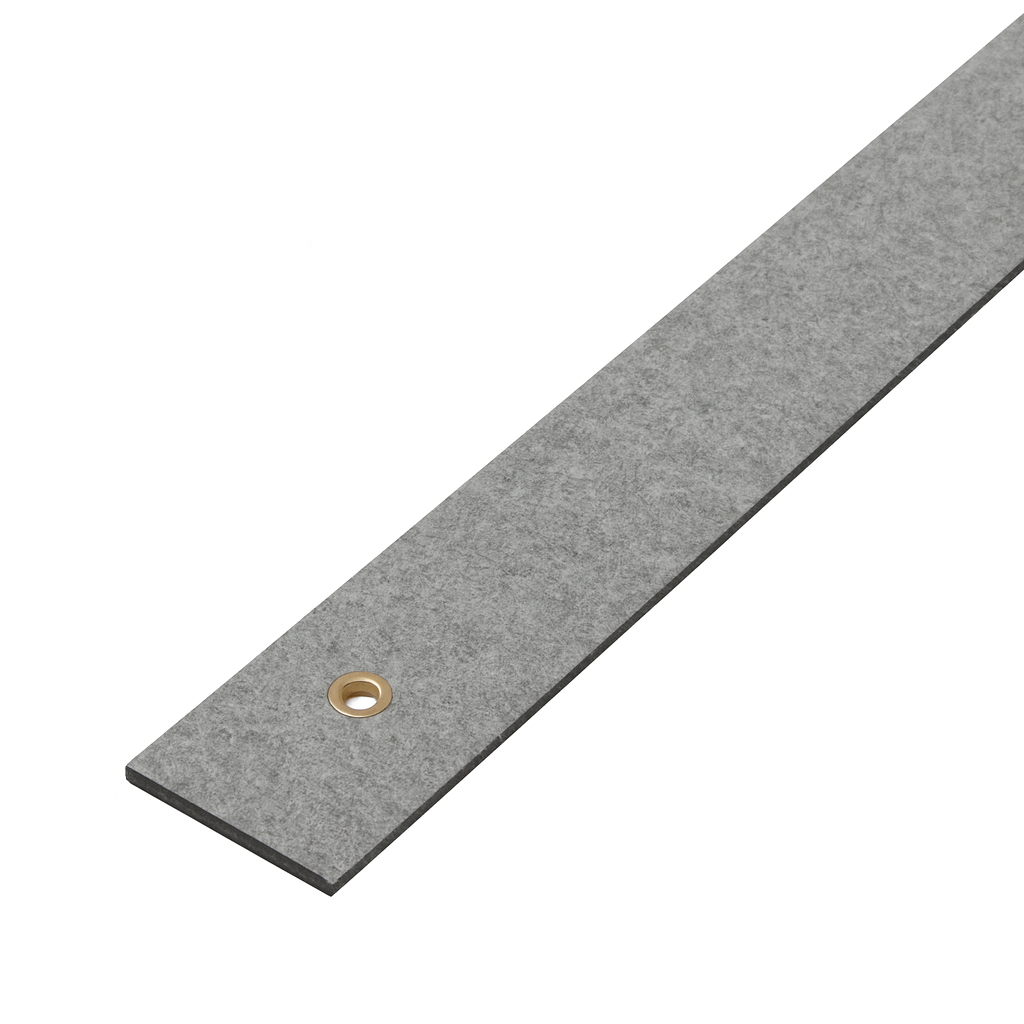

Decking is commonly found in schools, parks, libraries, recreational venues, and almost every public space where durability, safety, and visual appeal are required. However, one of the most important, and most often neglected, aspects of safe decking is the use of anti-slip strips or Decking Strips. Anti-slip strips are created to improve traction on deck surfaces, as well as to prolong the performance of the decking material. These strips are essential for high-traffic zones, especially in areas where children, elderly citizens, and other community members often walk.
Why are Decking Strips Important in Schools and Public Spaces?
Decking surfaces, especially wood decking, can become slippery over time due to:
- Rain and moisture
- Fungal growth
- Wear and tear
- Accumulation of dirt and dust
- Ice and snow (in colder climates)
When these issues occur in environments with young children, elderly adults, or large crowds, these surfaces can become hazardous. Even just one incident can lead to injury or potential litigation.
Use of decking strips provides a viable solution. Decking strips, made of durable materials such as fiberglass, rubber, or metal, or a composite gritted surface, dramatically increase slip resistance and decrease the chance of accidents on deck surfaces.
The Top Benefits of Decking Strips:
Better Slip Resistance: The main benefit of the decking strip is its ability to increase traction. The textured surface is often embedded with quartz grit, or some are ribbed, which will prevent slippage.
Increased Safety for Children and Seniors: Schools can be alive with movement, running, playing, and impulsive behavior. Children are often not aware of the risk. Likewise, when elderly individuals are in public parks or communal areas, they need a safe, solid surface.
Decking strips provide:
- A safe, dependable non-slip surface
- Increased stability
- Reduced risk of falling
This can lead to a dramatic reduction in falls, accidents, and injuries.
Longevity for Heavy Foot Traffic: Public spaces and schools see a significantly heavier use besides private homes. Thousands of footsteps daily will wear uncoated decking surfaces. Anti Slip Decking Strips can accommodate heavy use because of:
- Fiberglass or metal core with high strength capabilities
- UV resistant
- Weather-resistant gritted surface
The durability and longevity of these strips make them a good, economically attractive safety feature.
Protection of Decking Surfaces: Decking strip protects the timber, or composite boarding, from damage caused by
- Wear
- Moisture
- Scratching
- Impact
This protection extends their lifespan and helps mitigate cost and maintenance for municipalities and schools.
Adherence to Safety Regulations: Some regions have stringent regulations that require the use of non-slip surfaces in public spaces. Adding decking strips ensures that an institution complies with regulation frameworks, including
- Building codes
- Accessibility laws
- Health and safety guidelines
Compliance creates a legally defensible position and increases public trust.
Common Types of Decking Strips:
Fiberglass Gritted Decking Strips: The fiberglass gritted boards are a popular option because they stand up to years of tough wear, and their color coding offers solid traction underfoot:
- Gritted tops maximize traction
- Low weight with strength rating
- Good resistance to moisture and chemical agents.
Fiberglass strips are appropriate for schools, parks, and other areas where flooring is exposed to the weather.
Rubber Anti-Slip Decking Strips: Rubber strips are:
- Soft underfoot
- Suitable for children
- Impact absorbing
- Weather resistant.
Rubber strips also increase acoustic performance and are suitable in playground low-slip applications where kids run and climb.
Metal Decking Strips: Metal strips are strong, non-combustible, and long-lasting and are typically made from aluminum or stainless steel. Metal strips can articulate different textures of ribbed tops for comfort and grip. Metal strips should be used in areas that require:
- Extreme durability
- Fire resistant
- Low Maintenance
Metal strips are ideal for applications in transport terminals, public stairways, and heavy-traffic walkways.
PVC or Composite Decking Strips: PVC and composite strips provide moderate slip resistance, with advantages that include:
- Variety of color choices
- Weatherproof performance
- Resistance to rot and decay
Utilizing Decking Strips in Schools and Public Spaces
- School Playgrounds: Playgrounds often include constructed raised platforms, bridges, and wooden walkways. Decking strips prevent slips and allow children to play without incident, even when the ground is wet from rainfall.
- Transport Hubs: Bus stations, railway platforms, and the like often include decking strips for safe pedestrian transportation. Bus, train, and ferry stations exhibit high volumes of foot traffic, further necessitating slip-resistant materials.
- Hospitals and Care Facilities: Rest areas, or covered walkways, in outdoor hospital space have an increased need for safety considerations around falls, particularly for seniors or for individuals with limited mobility. Adding decking strips provides for some level of easier accessibility and minimization of incidental falls.

Leave a Comment