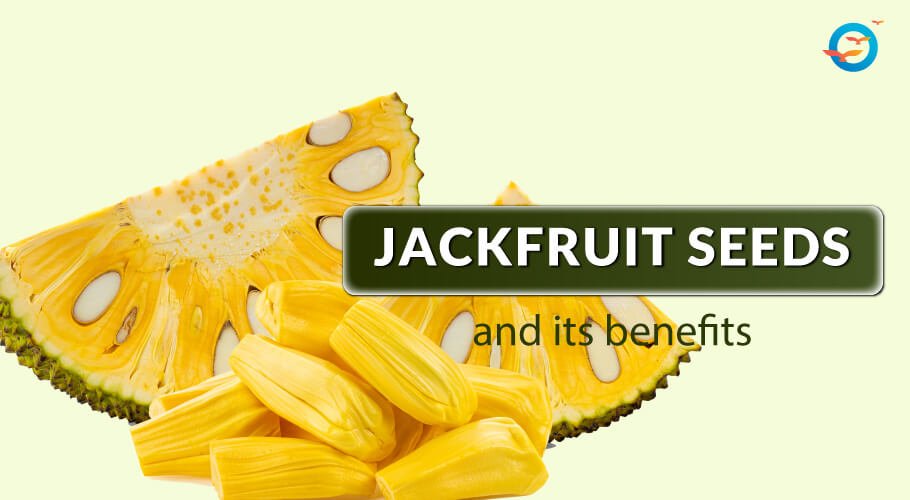

Benefits of Jackfruit Seeds in Diabetes Control
Jackfruit is a tropical fruit enjoyed in many parts of the world for its sweet flesh and unique texture. While the ripe fruit is naturally sweet and should be eaten in moderation by people managing blood sugar levels, the seeds of jackfruit are often overlooked.
Jackfruit seeds are edible when properly cooked and contain nutrients such as fiber, protein, vitamins, minerals, and antioxidants. Because of these properties, they are increasingly being discussed as a nutritious addition to a balanced diet, including for individuals living with diabetes.
This article explores the nutritional value of jackfruit seeds, their potential health benefits, and the safest ways to include them in your meals.
Are Jackfruit Seeds Edible?
Yes, jackfruit seeds are edible when cooked properly.
Raw jackfruit seeds are not generally recommended because they may contain compounds that can interfere with nutrient absorption and may be difficult to digest.
The seeds are commonly prepared by:
- Boiling
- Roasting
- Steaming
- Drying and grinding into flour
Boiled and peeled jackfruit seeds are often considered one of the easiest and gentlest ways to consume them.
Nutritional Value of Jackfruit Seeds
Jackfruit seeds provide several important nutrients in relatively small servings.
Approximate nutrients found in a 28-gram serving include:
| Nutrient | Approximate Amount |
| Calories | 53 |
| Carbohydrates | 11 g |
| Protein | 2 g |
| Fat | 0 g |
| Fiber | 0.5 g |
| Riboflavin | 8% RDI |
| Thiamine | 7% RDI |
| Magnesium | 5% RDI |
| Phosphorus | 4% RDI |
These nutrients contribute to energy production, nerve function, muscle health, and overall metabolic support.
How Jackfruit Seeds May Support Diabetes Management
Jackfruit seeds are not a cure for diabetes, but their nutritional composition may support healthy eating habits when included in appropriate portions.
Fiber and Blood Sugar Balance
Jackfruit seeds contain both soluble and insoluble fiber.
Fiber helps slow digestion and the absorption of carbohydrates, which may contribute to steadier blood sugar responses after meals.
Including fiber-rich foods as part of balanced meals may also help increase fullness and reduce unnecessary snacking.
Antioxidant Protection
Jackfruit seeds contain natural antioxidants such as phenolic compounds, flavonoids, and saponins.
Antioxidants help protect cells from oxidative stress, which is often associated with chronic metabolic conditions.
A diet rich in antioxidant-containing foods supports overall health and may complement a balanced diabetes management plan.
Anti-Inflammatory Properties
Chronic low-grade inflammation is linked with several metabolic health conditions.
Plant compounds found in jackfruit seeds may help support the body’s natural anti-inflammatory processes when included as part of a varied diet.
Nutritional Support
Jackfruit seeds provide small amounts of protein, vitamins, and minerals such as magnesium and phosphorus.
These nutrients play important roles in energy metabolism, muscle function, and general health.
Additional Health Benefits of Jackfruit Seeds
Beyond their potential role in blood sugar management, jackfruit seeds offer several other nutritional advantages.
Digestive Health
The fiber content in jackfruit seeds supports healthy digestion and regular bowel movements.
Both soluble and insoluble fiber contribute to digestive comfort and gut health.
Immune Support
Jackfruit seeds contain vitamins, minerals, and antioxidant compounds that help support normal immune function.
Cellular Health
Some research has explored the antioxidant and plant compounds present in jackfruit seeds for their role in protecting cells from oxidative damage.
More research is needed, but these compounds contribute to the seeds’ nutritional value.
Best Ways to Eat Jackfruit Seeds
Proper preparation is important for both safety and digestibility.
Healthy preparation methods include:
- Boiling peeled jackfruit seeds
- Roasting cooked seeds
- Steaming
- Adding cooked seeds to curries or vegetable dishes
- Grinding dried seeds into flour for selected recipes
Boiled and peeled jackfruit seeds are often the simplest option because they are easier to digest than raw seeds.
Precautions to Keep in Mind
Although jackfruit seeds can be nutritious, a few precautions are important:
- Avoid eating raw jackfruit seeds.
- Eat them in moderate portions.
- If you take blood-thinning medication, consult your healthcare provider before consuming them regularly, as jackfruit seeds may affect blood clotting.
- People with diabetes should monitor their blood sugar response and include jackfruit seeds as part of a balanced meal rather than eating large quantities on their own.
When Should People with Diabetes Include Them?
For individuals managing diabetes, jackfruit seeds may be easier to include when blood sugar levels are already reasonably stable and overall dietary habits are well established.
As with any carbohydrate-containing food, portion control and meal balance remain important.
A healthcare professional or registered dietitian can provide personalized guidance based on individual blood sugar goals and medical history.
Final Thoughts
Jackfruit seeds for diabetics are an often-overlooked food that provides fiber, antioxidants, protein, vitamins, and minerals. When properly cooked and eaten in moderation, they can be a nutritious addition to a balanced diet.
For people with diabetes, jackfruit seeds may offer supportive benefits through their fiber and antioxidant content, but they should be included thoughtfully as part of an overall healthy eating plan.
Choosing boiled or roasted jackfruit seeds instead of fried preparations can help preserve their nutritional value while keeping meals lighter and more balanced.









Leave a Comment