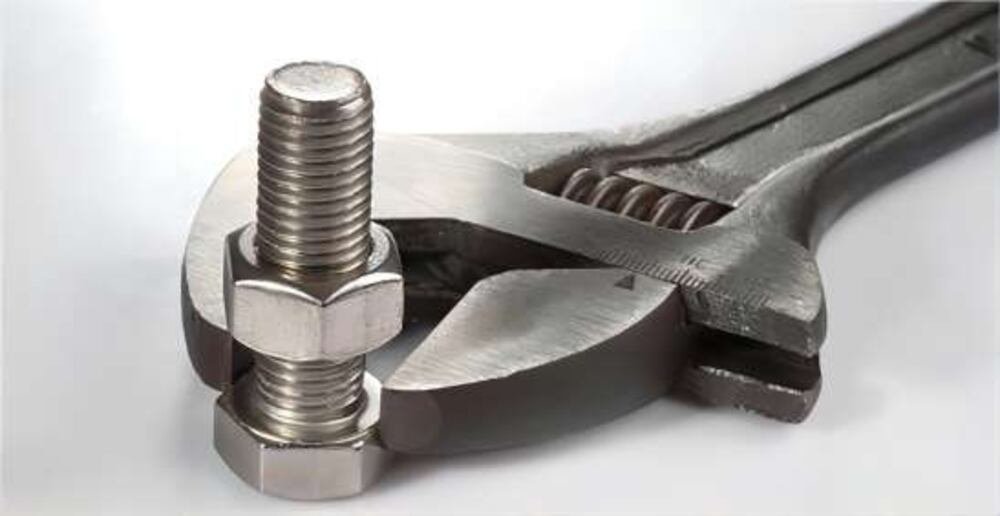

Loosen Stuck Nuts/ Mur is one of the most common shop challenges, whether you are working in heavy industry, automotive repair, construction, or home maintenance. Corrosion, overtightened fasteners, metal fatigue, and environmental wear all contribute to nuts that refuse to move. The right approach prevents damage to equipment, protects worker safety, and saves time on the job. This guide covers practical methods, professional techniques, and essential safety steps that crews around the world rely on.
Understand Why Nuts Get Stuck
Before choosing a method, it helps to identify the cause of the stuck fastener. Common issues include:
- Rust or corrosion that bonds the nut to the bolt
- Cross threading or damaged threads
- Thermal expansion after long exposure to heat
- Overtightening during installation
- Accumulated debris in the threads
Knowing the likely source helps you select the most effective solution and avoid unnecessary force.
Start With the Basics: Manual Tools and Technique
Good practice begins with hand tools. Use a wrench or socket that matches the nut size exactly. A loose fit rounds corners and makes removal harder. If space allows, choose a longer handle for more leverage. Apply slow, steady pressure instead of quick jerks. This prevents slips and lets you feel when the nut begins to move.
For stubborn fasteners, a breaker bar provides additional torque without excessive strain. Professionals often favor six-point sockets because they grip more securely than twelve-point versions, especially on worn nuts. When the nut is softened by corrosion but not frozen solid, this alone may be enough.
Add Penetrating Oil for Stubborn Rust
When corrosion is the problem, penetrating oil is one of the most reliable solutions. A high quality penetrating formulation reaches deeper into the threads and breaks surface tension more effectively than standard lubricants. Apply the oil generously, then allow enough time for it to wick into the joint. In heavy equipment environments, workers often apply multiple rounds over several minutes or even hours.
After the oil has worked in, tap the nut lightly with a hammer. The vibration helps the oil penetrate and breaks surface rust. Reapply the wrench and try again with steady pressure.
Use Heat to Break the Bond
Thermal expansion is a proven method to loosen stuck nuts that resist manual force. A controlled heat source enlarges the nut slightly, which frees the grip between the nut and bolt. A propane torch is the most common choice in workshops, though induction heaters are preferred in professional settings because they heat the nut without open flame.
Apply heat evenly for several seconds, then remove the heat and attempt to turn the nut while it is still hot. Never heat near flammable fluids or delicate components. When handled correctly, heat offers one of the fastest and most efficient ways to release a frozen fastener.
Combine Heat and Penetrating Oil
If the nut still refuses to move, alternate between heat and penetrating oil. The expansion and contraction cycles create openings for the oil to reach deeper layers of rust. Always allow the metal to cool before spraying oil. Applying oil to hot metal can create a fire risk and damage surrounding parts.
Mechanical Shock: Hammers, Punches, and Impact Tools
Shocking the nut with controlled force helps break internal corrosion. Professionals use small, precise hammer strikes on the wrench or directly on the nut. The idea is not brute strength but vibration. You can also use an impact driver or an impact wrench to deliver high torque in short bursts. These tools are common in automotive and industrial settings because they free stuck nuts far more quickly than manual force alone.
When using an impact wrench, verify that the socket is rated for impact use. Standard sockets can crack under the stress of repeated impacts.
Leverage Thread Cutters and Nut Splitters When Needed
There are moments when the safest strategy is to remove the nut entirely. Thread restoration tools help clean damaged threads, allowing a stuck nut to back off more easily. If the nut is completely seized or the surrounding material must be protected at all costs, a nut splitter provides a clean and controlled way to break the nut without harming the bolt.
These specialty tools are common in manufacturing plants, refineries, shipyards, and any environment where downtime is expensive. They save time, reduce risk, and ensure the integrity of the underlying components.
Prevent Future Problems With Proper Installation
Prevention shortens repair time and extends the life of equipment. When installing fasteners:
- Clean threads before assembly
- Apply anti seize compounds where appropriate
- Use torque wrenches to avoid overtightening
- Choose corrosion resistant materials for harsh environments
These steps stop nuts from sticking in the first place and reduce maintenance costs.
Safety Tips Every Technician Should Follow
Working with stuck fasteners involves risk, so safety must guide every step.
- Wear gloves and eye protection
- Make sure your stance is stable before applying torque
- Keep flammable materials away from heat sources
- Use impact tools only with rated sockets
- Ventilate the workspace when using chemicals
- Do not force a wrench past the point of control
A disciplined approach protects workers and equipment.
Final Thoughts
The best ways to Loosen Stuck Nuts combine experience, preparation, and the right set of tools. Start with clean technique, add penetrating oil, apply heat when needed, and turn to impact tools or specialty equipment for the toughest jobs. With careful safety practices and a methodical approach, technicians can handle even the most stubborn fasteners quickly and confidently.

Leave a Comment