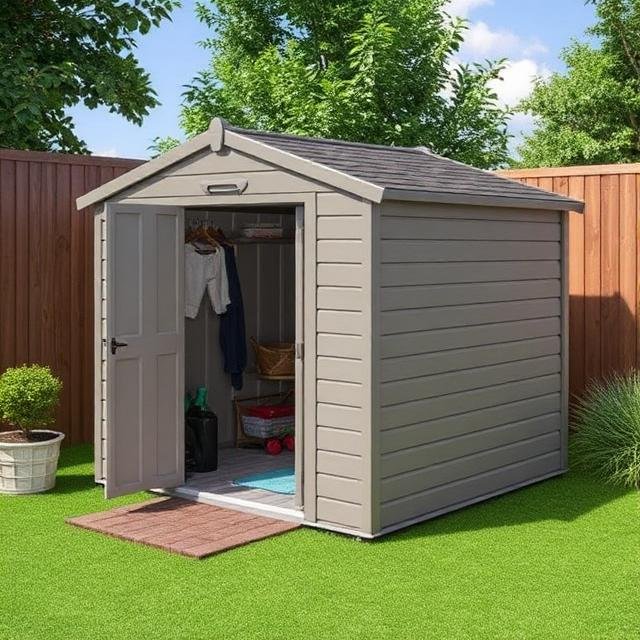

Of all the important things to consider when building or setting a garden shed, one of the most crucial is the proper foundation. A strong, solid base for a garden shed will keep your structure level and steady, with protection from moisture and ground movement over time. From the many options available, plastic systems for Shed Bases have gained much popularity due to their sturdy build, ease of installation, and low maintenance. Understanding how plastic shed bases work, their installation process, and the variety available will help a homeowner in making sure they make informed decisions with regards to outdoor storage solutions.
Why A Good Shed Base Is Essential
Every shed, from small to large, needs a good base. Without it, even the sturdiest sheds can suffer from tilting, water damage, and uneven wear. Shed bases perform a variety of functions: they give a level platform for the structure, protect it from direct contact with damp soil, and help distribute the weight evenly across the surface. This is true, in particular, for heavier sheds that can house tools, equipment, or garden furniture. A well-prepared garden shed base prolongs the life of your shed, saves you maintenance costs, and keeps the structure looking neat and professional.
Advantages Of Shed Base Plastic
Among the main reasons shed base plastic systems are adopted by homeowners is for their combination of strength, durability, and convenience. In comparison with more traditional foundations, such as timber, concrete, or gravel, plastic shed bases have a number of advantages. Plastic grids or panels boast very high resistance to rot, corrosion, and pests and, therefore, are suitable for outdoor application in any weather conditions. They are lightweight and modular, which enables easy handling during installation, even in areas with restricted access.
Another benefit involves the drainage capability. Most plastic bases are designed to have open cells or grids that allow rainwater to permeate through without holding any water on the shed. This solves the problem of dampness and eventual rot to wooden structures, as well as ensuring that the floor inside the shed stays clean and dry. Plastic shed base solutions are also environmentally friendly, as many are made from recycled materials, which is appealing to environmentally sensitive homeowners who desire sustainability in all aspects of their garden projects.
Choosing The Right Garden Shed Base
The selection of a proper garden shed base is greatly influenced by several factors: size and weight of the shed, type of ground, and the intended usage. Larger or heavier sheds do require bases that bear a higher load. For small to medium sheds, most plastic base systems are sufficiently supportive yet easy to install.
The ground conditions are another matter. Uneven or sloping grounds could be prepared extra to make the shed base plastic sit level. Soil that readily retains water or shifts with seasons can be improved with extra drainage or a raised base for keeping water off underneath. Homeowners should carefully measure the shed footprint and select a base slightly larger than the shed itself to provide extra stability and to prevent overhangs that could weaken corners of the structure.
Installing A Plastic Shed Base
Installation of a plastic shed base system is generally straightforward, but proper preparation is paramount to getting an even, long-lasting foundation. The first thing that a homeowner will do is clear the area of grass, rocks, and other debris. Any uneven patches should be leveled off to create a smooth surface. Some homeowners like to add a thin layer of sand or crushed stone to further improve stability and facilitate better drainage.
With the ground prepared, the plastic base panels or grids can be laid across the area. Most systems are modular and interlock to form a continuous, level platform. Some designs need the sections secured into the ground, while others depend on the weight of the soil and the shed to keep them in place. After placing the panels, topsoil can be added to fill the cells, allowing grass to grow through and continue a natural lawn appearance. Grass roots, with time, will intertwine with the plastic structure to make a resilient and reinforced garden shed base.
Maintenance And Longevity
One of the essential advantages of using plastic for a shed base is its very low maintenance. Unlike timber bases, which tend to rot or warp over time, or concrete bases, which can crack under pressure, plastic bases can withstand wear and tear with consistency. Often, all the maintenance it needs is regular inspection to be sure the base stays level and doesn’t compromise its structure. Grasses that grow through the grids may occasionally need some mowing. Other than that, the structure will require little care.
Plastic Shed Base prevent problems associated with lawns where the shed is placed. Soil compaction, waterlogging, and mud buildup are usually significant issues around the setting of traditional shed foundations, but the drainage-friendly design of plastic bases reduces all these concerns. This ensures that both the shed and the surrounding lawn remain in good condition over the years.
Applications Other Than Sheds At Residential Addresses
While garden shed bases are most associated with residential sheds, plastic shed bases have wider applications. They can serve small workshops, storage units, or even temporary outdoor structures needing a stable foundation. Public parks, allotments, and community gardens benefit from these systems since they offer a level and durable surface without the need for heavy construction materials.
The plastic shed bases work exceptionally well in areas where traditional methods of foundation laying are not accessible. The lightweight and modular design allows for easy transport and installation, even in the tightest or hard-to-reach areas. This makes the shed base plastic systems a very attractive option for a wide range of outdoor projects.
Environmental And Aesthetic Considerations
Apart from the functional advantages, plastic shed base systems come with environmental and aesthetic benefits. Most of the plastic bases are manufactured from recycled materials, thus minimizing waste and advancing greener concepts of gardening. The open-grid design facilitates good grass growth, enabling the natural appeal of lawns and garden areas to be preserved. Unlike the foundations of concrete or timber, plastic shed bases will provide a subtle yet amazingly effective solution that perfectly merges with the landscape.
For those who do not want to choose between functionality and style, plastic bases offer a very practical foundation without jeopardizing style. Grass can grow through the cells naturally, forming a beautiful green area that supports the shed discreetly and unobtrusively.
Conclusion
From protection against moisture and movement of the soil to an aesthetically pleasing, very low-maintenance platform, plastic shed bases really do deliver a multitude of benefits. Whatever your needs may be-from a small garden shed to a larger storage unit or even an outdoor workshop-the right base will mean stability, longevity, and peace of mind for your garden shed. Plastic shed bases meet the demand of strength, flexibility, and eco-friendliness for modern homeowners. Easy to lay, low maintenance, and quick drainage make plastic shed bases an investment worth considering for every homeowner who aims to add longevity and beauty to his or her outdoor space. Now that you understand its benefits and how to lay one, you will be able to make a very informed decision and enjoy years with a well-supported and durable shed foundation.


Leave a Comment