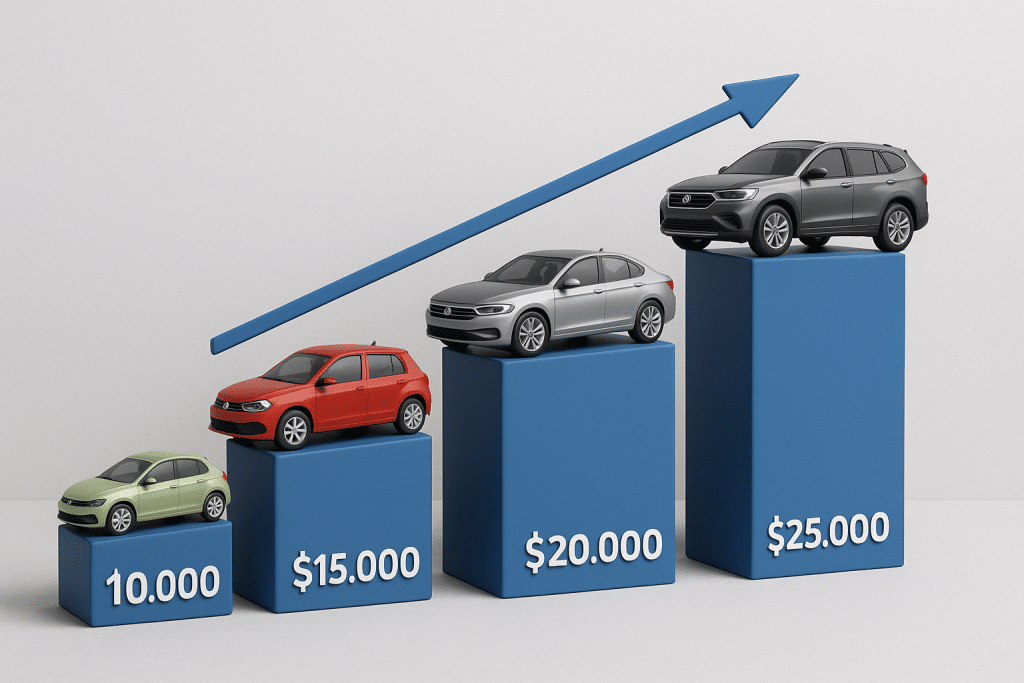

When selling a car, knowing its accurate value is crucial to getting a fair price. Car valuations are calculated using several factors including the vehicle’s age, make, model, condition, mileage, and market trends. Understanding these elements helps sellers negotiate effectively and avoid underpricing or overestimating their car’s worth. This guide explains how car valuations are determined in Australia, what to consider when selling, and practical tips for maximizing your return.
Vehicle Age and Depreciation
The age of a vehicle is one of the most significant factors affecting its value. Cars generally depreciate fastest in the first three years, losing up to 50% of their original price depending on the make and model. For example, a 2018 Toyota Corolla purchased for AUD 25,000 may only be valued around AUD 12,500–14,000 by 2025 due to standard depreciation. Older cars lose value at a slower rate, but mileage and condition increasingly influence their price. Depreciation schedules provided by resources like RedBook Australia are often used by professionals to determine the starting value of a car.
Make, Model, and Market Demand
A vehicle’s brand, model, and popularity significantly impact its valuation. High-demand cars such as Toyota Hilux or Mazda CX-5 often retain value better than less popular models. Limited editions or vehicles with desirable features like AWD, safety packages, or fuel-efficient engines can command higher prices. Market trends in Australia also matter—cars that are fuel-efficient or electric often see stronger demand, particularly in cities like Sydney or Melbourne. Local services that pay cash for cars Townsville can assess these trends to offer competitive quotes for sellers in the region.
Vehicle Condition and Mechanical Health
The car’s condition, both cosmetic and mechanical, directly influences its value. Factors such as scratches, dents, rust, interior wear, and engine performance are considered. Cars with well-maintained engines, functioning ABS, working air conditioning, and regular servicing history are valued higher. Minor issues may reduce the value slightly, whereas major mechanical problems or accident history can significantly lower the price. Independent inspection reports or certified service history documentation often help improve valuation accuracy.
Mileage and Usage Patterns
Mileage is a concrete metric in car valuations. In Australia, average usage is about 15,000 km per year. A car that has been driven significantly less than this average often retains higher value, whereas cars with excessive mileage see reduced prices. For instance, a 2017 Holden Commodore with 80,000 km may be valued higher than one with 120,000 km, even if both are the same model and age. Usage patterns like city driving versus long-distance travel may also influence mechanical wear and perceived value.
Optional Features and Extras
Optional features, upgrades, or accessories can affect the price of a car. Features like leather seats, upgraded infotainment systems, alloy wheels, or enhanced safety packages may add AUD 500–2,000 to the valuation, depending on the model and market preference. Modifications that compromise safety or are poorly installed, however, can reduce value. Sellers in Townsville looking to sell junk car Kirwan or older vehicles can often highlight remaining functional upgrades to boost their offer.
How Professionals Conduct Valuations
Professional car buyers, dealerships, and online valuation platforms use a combination of automated tools, historical sales data, and market intelligence to assess value. RedBook and Glass’s Guide are common sources that provide pricing ranges based on year, model, and condition. When you request a valuation from a service like Townsville Cash 4 Cars, their team inspects your car, checks market data, and calculates a fair cash offer quickly, taking into account local demand and resale potential.
Tips for Maximizing Car Valuation
To achieve the best valuation:
- Maintain a complete service history.
- Fix minor cosmetic issues before selling.
- Clean the vehicle thoroughly inside and out.
- Highlight functional upgrades or safety features.
- Choose a reputable buyer that evaluates based on transparent criteria rather than lowballing.
Common Myths About Car Valuations
Many sellers overestimate the effect of minor scratches or aftermarket modifications, while others undervalue cars with high-demand features. Another common misconception is that older cars have negligible resale value; however, functional vehicles even with high mileage can fetch reasonable offers from professional buyers. Understanding how valuations are calculated helps sellers avoid these mistakes.
Using Online Tools vs. Professional Inspections
Online calculators provide a quick estimate, but professional inspections often yield a more accurate valuation. Online tools use generalized depreciation models and market averages, which may not reflect local demand or the specific condition of your vehicle. Professional buyers, like Townsville Cash 4 Cars, factor in local resale trends, condition, and urgent demand for specific types of vehicles to offer precise quotes.
Conclusion
Car valuations in Australia are calculated based on age, make, model, condition, mileage, optional features, and current market demand. Accurate valuations help sellers make informed decisions, get fair offers, and avoid common pitfalls. Professional services streamline this process, offering transparency and convenience.
Explore more helpful guides and resources in our blog section.

Leave a Comment