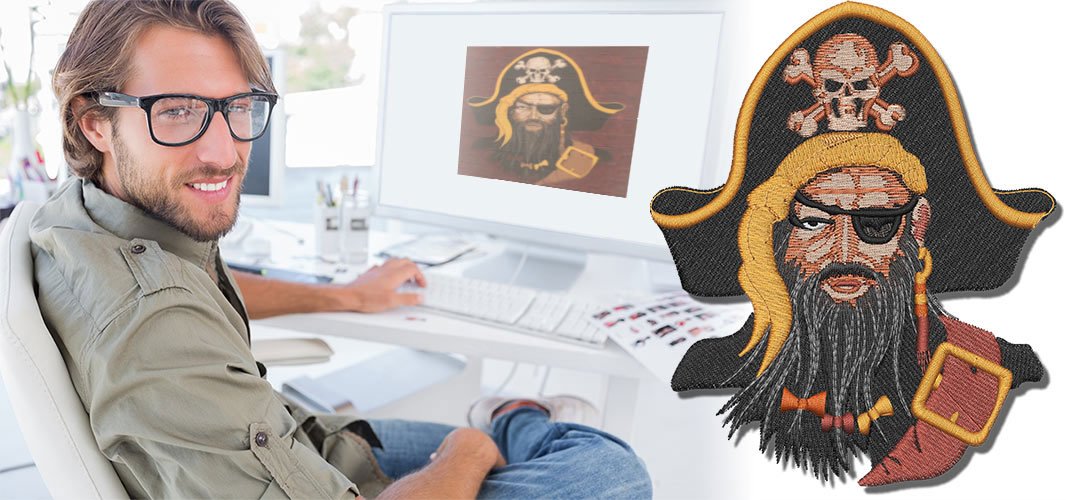

In a world saturated with digital prints and heat-pressed vinyl, there’s something undeniably powerful about the textured, tactile feel of a stitched logo on a fabric. It whispers quality, permanence, and attention to detail. This isn’t your grandmother’s cross-stitch, though. We’re talking about a modern, precision-driven process that transforms logos and artwork into stitch-perfect reality. This is the magic of digitized embroidery designs.
So, what exactly does that mean? Imagine translating a complex graphic into a language a sewing machine can understand. Digitizing is that precise art. It’s the process of using specialized software to map out every single stitch—its type, direction, length, and density—to perfectly recreate an image with thread. The result is a digital file that guides an embroidery machine to create crisp, consistent, and professional-looking emblems, time after time. This technological leap is the engine behind a revolution in how businesses build their brand and how individuals express their unique style.
The Unmistakable Mark of Quality: Branding Reinvented
When it comes to branding, consistency is king, and perception is everything. A flimsy, peeling printed t-shirt can undermine a brand’s message in an instant. Digitized embroidery, however, elevates it. Here’s how.
First, there’s the undeniable feel of prestige. A beautifully stitched logo on a polo shirt, a company jacket, or a branded beanie doesn’t just look good; it feels substantial. This tactile experience sends a subconscious message of durability and value. Customers and employees alike perceive a brand that invests in quality embroidery as a brand that invests in quality, period. It turns everyday apparel into a walking billboard that people are proud to wear.
Second, digitization guarantees unwavering consistency. Whether you’re ordering fifty uniforms for your staff or five hundred promotional caps, every single item will feature an identical logo. The digitized file ensures that the color shades, stitch density, and overall appearance are perfectly uniform. This level of consistency is nearly impossible to achieve with other decoration methods and is crucial for building a strong, recognizable brand identity across all touchpoints.
Finally, it’s about longevity. Unlike prints that can crack or vinyl that can peel after repeated washes, a well-digitized embroidery design is built to last. The threads become an integral part of the fabric, standing up to the rigors of industrial laundry cycles and daily wear and tear. Your brand’s image remains sharp and vibrant for the life of the garment, ensuring a much greater return on your promotional investment.
Your Imagination, Stitched into Reality: The Power of Customization
Beyond the corporate world, digitized embroidery has unlocked a new golden age of personalization. It’s the key to turning a blank canvas of fabric into a one-of-a-kind statement piece.
Think about the booming market for personalized gifts. A baby blanket with a name and birth date elegantly stitched, a set of matching family Christmas stockings, or a denim jacket adorned with a unique floral pattern—these are the items that become cherished heirlooms. Digitization makes this accessible. With a digital file, even the most intricate handwriting or a beloved pet’s portrait can be translated into a beautiful, permanent stitch.
For small businesses and hobbyists, this technology is a game-changer. An Etsy seller can offer custom-embroidered tote bags, a sports team can have uniquely numbered jerseys, and a local club can create highly detailed patches for its members. The barrier to creating professional-grade custom goods is lower than ever. You are no longer limited to a catalog of pre-made designs; your only limit is your imagination. The digitized file is the blueprint that brings any concept to life with stunning accuracy.
The Art and Science Behind the Stitch
To truly appreciate the value, it helps to understand a bit of the process. Digitizing is not a simple, automated click of a button. It’s a skilled craft that blends artistic vision with technical knowledge.
A skilled digitizer acts like a cartographer for thread. They must decide the best path for the machine to follow, selecting from different stitch types—like satin stitches for smooth borders or fill stitches for solid areas. They adjust the stitch density for different fabrics; a dense stitch on a lightweight t-shirt can cause puckering, while a sparse stitch on thick twill will look incomplete. They also plan the stitching order, ensuring that different colors are layered correctly and that the design is stabilized to prevent shifting.
This technical expertise is what separates an amateur-looking result from a flawless, professional one. A poorly digitized design can result in broken threads, distorted logos, and an overall messy appearance. Investing in quality digitization is just as important as investing in a quality garment. It’s the invisible foundation upon which a beautiful, durable embroidered piece is built.
Weaving It All Together
In the end, digitized embroidery designs are far more than just a method of decoration. They are a powerful tool for building a brand that is perceived as high-quality, consistent, and trustworthy. Simultaneously, they are a key that unlocks a world of deep personalization, allowing individuals and small creators to manifest their unique ideas in a tangible, lasting form.
It bridges the gap between the digital world and the physical, transforming pixels on a screen into a rich, textured reality. In an era of mass production, it offers a touch of crafted authenticity that resonates deeply. Whether you’re looking to outfit your entire team with uniforms they’ll love wearing or create a gift that will be treasured for years, the answer lies in the precise, permanent, and powerful art of digitized embroidery.


Leave a Comment