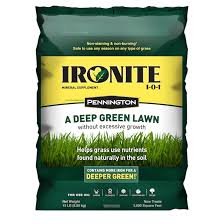

Boost your lawn’s health and color with iron for lawns. Learn the benefits, application tips, and best practices to achieve a lush, green lawn all year round.
A vibrant, green lawn is the pride of any homeowner, and one of the most effective ways to achieve this is by using **iron for lawns**. Iron, an essential micronutrient, plays a crucial role in maintaining healthy grass by promoting chlorophyll production, improving color, and strengthening turf resilience. Whether your lawn struggles with yellowing, patchiness, or slow growth, iron can be a game-changer.
### Why Your Lawn Needs Iron
Iron is vital for photosynthesis, the process by which plants convert sunlight into energy. Without adequate iron, grass can develop a yellowish tint, even if it receives sufficient water and other nutrients. This condition, known as iron chlorosis, often occurs in lawns with high pH soil or heavy clay content, which can make iron less available to grass roots.
Applying iron to your lawn corrects deficiencies and enhances the overall health of your turf. Not only does it improve color, but it also strengthens the grass, making it more resistant to diseases and environmental stressors such as drought or excessive heat.
### Types of Iron Fertilizers for Lawns
There are two main types of iron fertilizers: **ferrous sulfate** and **chelated iron**.
* **Ferrous sulfate** is a commonly used, cost-effective option. It provides quick results, turning yellow grass green within a few days. However, it can sometimes burn the lawn if applied in excess, so following recommended dosages is critical.
* **Chelated iron** is a more stable and gentle alternative, ideal for sensitive lawns or soils with high pH levels. It works slower than ferrous sulfate but ensures long-lasting green color without the risk of burning.
Both forms can be applied using a spreader for granules or a sprayer for liquid solutions, depending on your preference and lawn size.
### How to Apply Iron to Your Lawn
For best results, timing and method are essential. Apply iron during the growing season, ideally in spring or early fall, when grass is actively growing. Avoid application during peak summer heat, which can stress the turf.
Here are key tips for applying iron:
1. **Read the instructions carefully:** Different products have varying concentrations and application rates.
2. **Water lightly after application:** This helps iron penetrate the soil and reach grass roots.
3. **Avoid over-application:** Excess iron can cause dark staining on sidewalks, driveways, or clothing.
4. **Spot treat if necessary:** For patchy areas, a targeted application can correct yellow spots without affecting the entire lawn.
### Benefits Beyond Color
In addition to improving the aesthetic appeal of your lawn, iron offers several other advantages:
* Enhances resistance to pests and diseases
* Encourages thicker, denser turf
* Reduces reliance on nitrogen fertilizers by promoting healthy growth naturally
* Improves overall soil health by aiding microbial activity
For homeowners looking for high-quality lawn care products, companies like *emeraldlawnandturf.com* provide reliable iron fertilizers and professional guidance on lawn maintenance.
### Conclusion
Using **iron for lawns** is a simple, effective strategy to maintain a lush, green, and healthy yard year-round. By understanding the types of iron, proper application methods, and benefits, homeowners can combat yellowing grass, enhance turf density, and enjoy a visually appealing landscape. Regular iron applications, combined with proper watering and mowing, ensure your lawn remains the envy of the neighborhood.
Iron for Lawns: A Comprehensive Guide to Boosting Greenery and Health

Leave a Comment