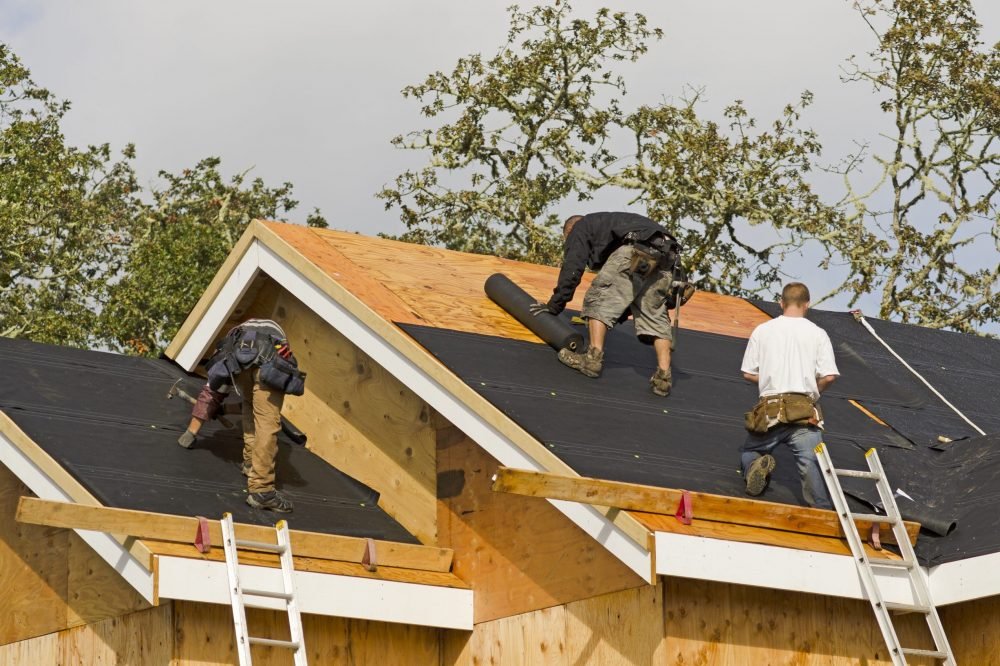

New Roofing Installations:
Installing a new roof is a major construction task that requires careful planning, skilled labor, and the right materials. Whether the project involves a residential property or a large commercial facility, the early stages determine the roofing system’s strength, durability, and long-term performance. While the basic principles of roofing remain the same, industrial roofing projects often involve added complexity due to their size, structure, and technical requirements.
Initial Site Inspection and Project Assessment
Every successful New Roofing Installations project begins with a detailed site inspection. Contractors evaluate the structure, existing roof condition (if applicable), load-bearing capacity, drainage layout, and overall building design. For new constructions, this stage involves reviewing architectural drawings and engineering specifications.
In residential projects, inspections are usually straightforward because the structures are smaller and easier to access. Industrial buildings, however, often feature large spans, flat or low-slope surfaces, heavy equipment installations, and complex layouts. Contractors must also consider factors such as ventilation systems, rooftop machinery, skylights, and safety access points. This early assessment helps identify risks and ensures that the roofing system is suitable for the building’s operational needs.
Choosing the Right Roofing System
Material selection is one of the most important early decisions in any roofing installation. Residential roofs commonly use tiles, shingles, or metal sheets based on climate, budget, and aesthetic preferences. The selection process is relatively simple because the performance demands are predictable.
Industrial roofing requires a more technical approach. Materials must withstand exposure to harsh weather, temperature fluctuations, chemical emissions, and, at times, foot traffic from maintenance teams. Options such as single-ply membranes, built-up roofing, metal panels, or modified bitumen systems are selected based on durability, insulation, and energy efficiency. Contractors also need to ensure that the chosen system complies with safety standards and building regulations.
Structural Preparation and Load Considerations
Before installation begins, the roof structure must be properly prepared. This includes checking the decking material, reinforcing weak areas, and ensuring that the surface can support the weight of the roofing system and any additional equipment.
In residential settings, structural preparation is usually limited to replacing damaged decking or reinforcing certain sections. Industrial buildings, on the other hand, require detailed load calculations. The roof may need to support HVAC systems, solar panels, ventilation units, or storage equipment. Engineers often work alongside roofing contractors to confirm that the structure meets safety requirements. This level of coordination adds another layer of complexity to industrial projects.
Safety Planning and Risk Management
Safety planning is a critical early step in roofing installations, but the level of preparation varies significantly between residential and industrial work. For homes, safety measures typically include fall protection, ladder stability, and basic protective equipment.
Industrial roofing demands a comprehensive safety strategy. Large roof areas, greater heights, and the presence of machinery increase the risk level. Contractors must develop detailed risk assessments, install safety barriers, provide specialized training, and, when required, coordinate with the facility’s operational schedule. In active industrial environments, roofing work may need to be completed in phases to avoid disrupting production, further complicating planning.
Surface Preparation and Waterproofing Foundations
Once the structure is ready, the roof surface must be cleaned, leveled, and prepared for installation. Any debris, moisture, or uneven sections can affect the performance of the roofing system. Proper preparation ensures strong adhesion and prevents future leaks.
In residential projects, this stage is usually completed quickly due to the smaller area. Industrial roofs, however, require extensive preparation, as even minor surface issues can lead to significant water pooling or membrane failure. Contractors also install vapor barriers and insulation layers to improve energy efficiency and moisture control. The precision required at this stage is one of the reasons industrial roofing takes more time and expertise.
Drainage Design and Water Management
Effective drainage is essential for any roofing system, especially for flat or low-slope designs. Early planning includes positioning drains, gutters, and downpipes to prevent water accumulation.
Residential roofs typically rely on sloped designs that naturally guide water away. Industrial roofs often have wide, flat surfaces where poor drainage can lead to standing water, structural strain, and premature material damage. Engineers and contractors work together to design internal drainage systems, tapered insulation, or additional outlets to manage heavy rainfall. This technical planning makes industrial roofing more detailed and demanding.
Final Thoughts: Why Industrial Roofing Is More Complex
The early steps of roofing installation lay the foundation for a reliable and long-lasting system. While residential roofing involves careful planning and skilled workmanship, industrial roofing is significantly more complicated. For contractors, success in Industrial Roofing Birmingham depends on detailed planning, technical expertise, and strong project management from the very start. When these early steps are handled correctly, the result is a durable roofing system that protects the building, supports operations, and delivers long-term value.

Leave a Comment