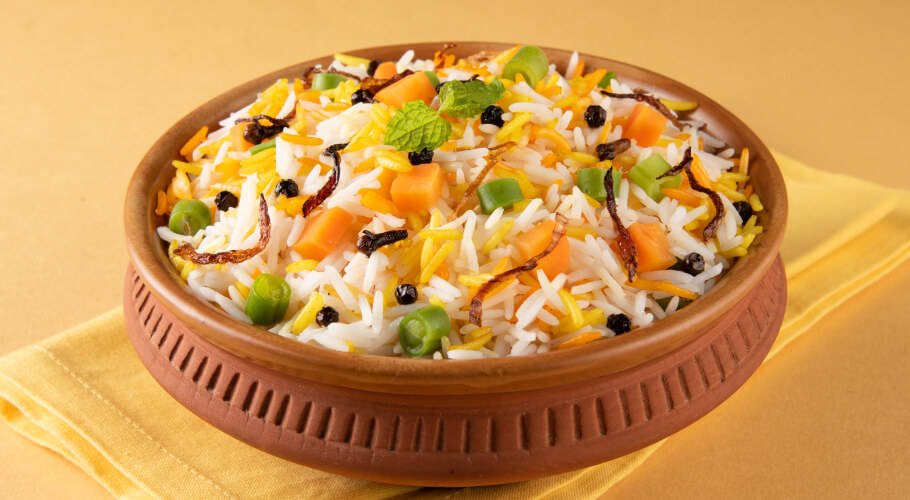

Diabetes-Friendly Kozhikodan Vegetable Biryani: A Flavorful South Indian Dinner Recipe
Can Biryani Be Part of a Balanced Dinner?
Biryani is one of the most loved one-pot dishes across India, known for its rich aroma, layered texture, and combination of spices. Traditional biryanis are often prepared with rice, vegetables, herbs, and seasonings that create a satisfying meal.
This diabetes-friendly version of Kozhikodan Vegetable Biryani introduces simple ingredient choices while preserving the authentic taste and cooking style. By using brown basmati rice, peanut curd, and plenty of vegetables, this recipe creates a wholesome and flavorful dinner option.
The inclusion of vegetables and whole grains also adds variety and texture to the meal.
What Is Kozhikodan Vegetable Biryani?
Kozhikodan Vegetable Biryani, inspired by Kerala’s famous biryani style, is a layered rice preparation where cooked vegetables and aromatic rice are assembled and finished using the traditional dum cooking method.
This dish is known for:
- Rich aroma
- Layered flavors
- Mixed vegetables
- Fragrant spices
- Soft yet separate rice grains
Unlike heavily prepared versions, this variation uses balanced ingredients while maintaining traditional character.
Why Brown Rice and Vegetables Are Used
Traditional white rice can be replaced with brown basmati rice to increase whole grain variety.
Vegetables contribute:
- Fiber
- Color
- Texture
- Meal diversity
This recipe also uses peanut curd instead of conventional curd, creating a plant-based variation.
Ingredients
For the Vegetable Layer
- 1½ cups mixed vegetables (carrot, beans, cauliflower, capsicum)
- 1 tbsp ginger garlic paste
- 6–8 green chillies
- ¼ cup peanut curd
- 1 tsp garam masala
- Pinch turmeric powder
- ½ tsp pepper powder
- 2 onions
- 1 tomato
- Coriander leaves
- Mint leaves
- Salt to taste
- 1 tbsp coconut oil
Whole Spices
- Small cinnamon stick
- 2 cardamom pods
- Small star anise
- 3 cloves
- 1 bay leaf
For Rice Layer
- 1 cup brown basmati rice (soaked for 30 minutes)
- Coconut oil
- Water as required
Garnishing
- Cashews
- Golden onions
- Fresh mint
- Coriander leaves
Step-by-Step Method
Step 1: Soak the Rice
Wash and soak brown basmati rice for approximately 30 minutes.
Drain and keep ready.
Step 2: Prepare the Vegetable Base
Heat coconut oil in a pressure pan.
Add:
- Cinnamon
- Cloves
- Cardamom
Allow spices to become aromatic.
Add half of the sliced onions.
Cook over medium heat until soft and translucent.
Step 3: Add Vegetables and Aromatics
Add:
- Mixed vegetables
- Ginger-garlic paste
- Crushed green chillies
Cook briefly for 1–3 minutes.
Add chopped tomatoes.
Season lightly with salt.
Cook until vegetables begin softening but remain slightly crisp.
Step 4: Add Curd and Seasonings
Add:
- Peanut curd
- Garam masala
- Turmeric
- Pepper powder
Mix thoroughly.
No extra water is necessary at this stage because vegetables and curd release moisture during cooking.
Step 5: Pressure Cook the Vegetables
Close the cooker lid.
Cook on medium heat until two whistles.
Lower the heat.
Cook for another 1–2 minutes.
Allow natural pressure release.
The vegetables should remain cooked but not mushy.
Step 6: Prepare Caramelized Onion Garnish
Heat a wide pan.
Add a small amount of coconut oil.
Cook onions over medium-low heat.
Stir every 1–2 minutes.
Continue until onions turn golden and lightly caramelized.
Remove and reserve.
Step 7: Roast Cashews
In the same pan:
Lightly roast cashews until golden.
Keep aside.
Step 8: Cook the Rice
Heat coconut oil.
Add:
- Bay leaf
- Cinnamon
- Cardamom
- Cloves
Add water and bring to a boil.
Add soaked brown rice.
Cook until grains are done and remain separate.
Step 9: Layer the Biryani
In a heavy-bottomed pan:
First layer:
- Vegetable masala
Second layer:
- Cooked rice
Repeat if needed.
Top with:
- Mint
- Coriander
- Caramelized onions
- Cashews
Step 10: Finish With Dum Cooking
Place the biryani vessel over a heated dosa pan.
Cover tightly.
Place weight on the lid.
Cook on low flame for 5–7 minutes.
Allow flavors to blend.
Serving Suggestions
Serve warm with:
- Vegan raita
- Vegetable side dishes
- Fresh salad
These additions complement the layered flavors of the biryani.
Tips for Better Texture
For best results:
- Avoid overcooking vegetables
- Keep rice grains separate
- Use low heat during dum cooking
- Add herbs only at the final stage
These steps help preserve aroma and structure.
Conclusion
Kozhikodan Vegetable Biryani offers a flavorful way to enjoy a traditional South Indian dinner with simple ingredient modifications. Brown basmati rice, vegetables, peanut curd, and aromatic spices combine to create a balanced and satisfying one-pot meal.
Prepared using classic layering and dum techniques, this recipe brings together traditional flavors while maintaining a wholesome cooking approach.
Are you interested in diabetes management tips , visit our website.





Leave a Comment