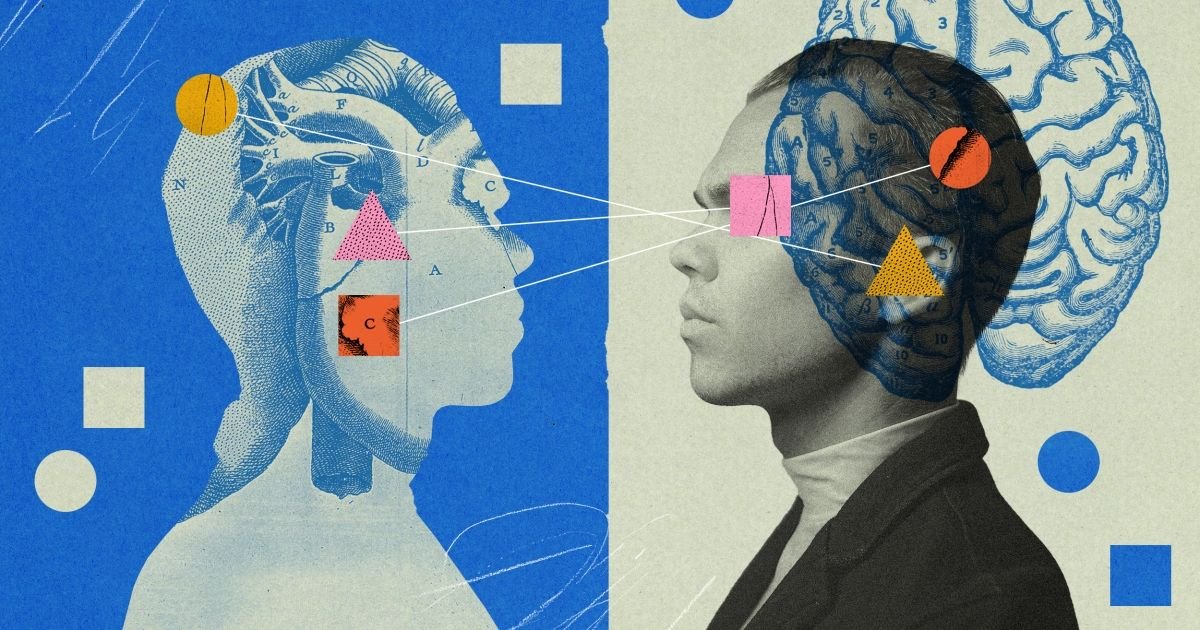

Success in modern life and work is no longer determined solely by technical ability or academic knowledge. The way individuals understand emotions, manage reactions, and relate to others plays an equally important role. Emotional intelligence training supports the development of these human skills, enabling people to navigate challenges with greater clarity, empathy, and confidence. As workplaces and communities become more complex, emotional intelligence has emerged as a critical foundation for sustainable performance and healthy relationships.
This article explores the concept, benefits, and practical value of developing emotional intelligence in both personal and professional contexts.
Understanding Emotional Intelligence
Emotional intelligence refers to the ability to recognise, understand, and manage emotions in oneself and others. It involves awareness of internal emotional states, sensitivity to the feelings of others, and the capacity to use this awareness to guide behaviour and decision-making.
Rather than suppressing emotions, emotionally intelligent individuals learn to interpret them as useful information. This awareness supports better communication, improved self-control, and stronger interpersonal relationships over time.
What Is Emotional Intelligence Training?
Emotional intelligence training is a structured learning process designed to help individuals build emotional awareness, regulation, and social effectiveness. It blends theory with practical exercises that encourage reflection, feedback, and real-world application.
Training programmes often focus on recognising emotional patterns, responding thoughtfully under pressure, and improving communication skills. The goal is to support lasting behavioural change rather than short-term motivation or surface-level improvement.
Core Elements of Emotional Intelligence Development
Self-Awareness
Self-awareness allows individuals to recognise their emotional triggers, strengths, and limitations. This insight is essential for personal growth and effective leadership.
Emotional Regulation
Learning to manage emotions constructively supports calm decision-making and resilience during stressful situations.
Empathy and Social Awareness
Understanding the emotions of others strengthens trust, collaboration, and mutual respect in relationships.
Communication and Influence
Clear, emotionally aware communication reduces conflict and enhances cooperation across teams and organisations.
Why Emotional Intelligence Matters Today
Rapid change, diverse perspectives, and constant interaction define modern environments. Emotional intelligence helps individuals adapt to uncertainty, manage stress, and remain grounded during challenging situations.
In leadership roles, emotional intelligence supports ethical judgment, inclusive decision-making, and the ability to inspire others. Leaders who demonstrate emotional awareness create cultures of trust and psychological safety.
Benefits of Emotional Intelligence Training
One of the most significant benefits of emotional intelligence training is improved self-management. Participants often become more aware of emotional habits that previously influenced behaviour unconsciously.
Other benefits include stronger relationships, reduced conflict, and enhanced collaboration. Over time, individuals also experience increased confidence, emotional resilience, and a clearer sense of purpose in both work and life.
Emotional Intelligence in the Workplace
Organisations increasingly recognise emotional intelligence as a key professional capability. Employees with strong emotional intelligence tend to communicate more effectively, respond better to feedback, and work more collaboratively.
Emotional intelligence training programmes help teams build trust, improve leadership effectiveness, and create healthier workplace cultures. These improvements often lead to higher engagement, productivity, and employee retention.
Applications Beyond Professional Life
The value of emotional intelligence extends far beyond the workplace. In personal relationships, emotional awareness supports deeper connection, healthier boundaries, and more effective conflict resolution.
In education and parenting, emotional intelligence helps individuals respond with patience and understanding, supporting emotional development and learning readiness. These skills contribute to stronger communities and more compassionate interactions.
Developing Emotional Intelligence as a Lifelong Skill
Emotional intelligence is not a fixed trait; it can be developed through consistent practice and reflection. Effective training encourages ongoing self-observation, feedback, and real-world application.
By integrating emotional awareness into daily interactions, individuals gradually build habits that support emotional balance and thoughtful communication. Long-term development leads to meaningful personal and professional growth.
Choosing the Right Emotional Intelligence Training Programme
High-quality programmes are evidence-based, practical, and facilitated by experienced professionals. They emphasise real-life scenarios, measurable outcomes, and sustainable skill development.
Individuals and organisations should choose training that aligns with their goals, whether leadership development, personal growth, or organisational culture improvement.
The Long-Term Impact of Emotional Intelligence
The long-term effects of emotional intelligence development include improved wellbeing, stronger relationships, and greater adaptability. Individuals become better equipped to manage change, navigate complexity, and lead with integrity.
Emotional intelligence training also supports a more compassionate and human-centred approach to life and work, creating lasting value beyond immediate performance outcomes.
Conclusion
Emotional intelligence training provides a powerful framework for developing self-awareness, empathy, and effective communication. By strengthening emotional understanding and regulation, individuals gain the tools to navigate challenges with confidence and clarity.
In a world where human connection and adaptability are essential, emotional intelligence is not just an advantage—it is a fundamental skill for long-term success and fulfilment.


Leave a Comment