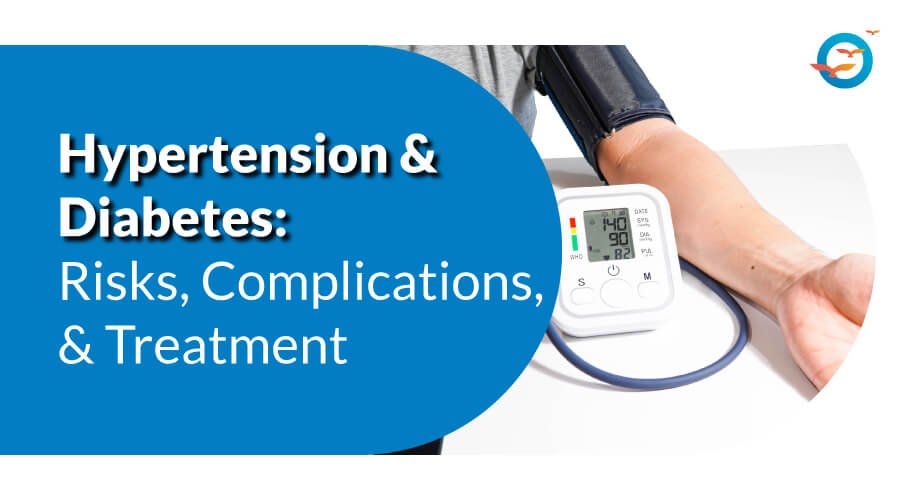

Hypertension and Diabetes: Risks, Complications, and Treatment
Many people living with diabetes are also diagnosed with high blood pressure. This combination is common and can quietly damage the body over time. When hypertension and diabetes occur together, the risk of heart disease, kidney problems, stroke, and vision issues rises significantly.
The main reason this happens is that both conditions are strongly linked to lifestyle habits such as poor diet, lack of movement, stress, excess weight, and smoking.
The good news is that early awareness and healthy changes can help control both conditions. Let’s understand how they are connected and what practical steps can protect your health.
What is Hypertension?
Hypertension means consistently high blood pressure. Blood pressure is the force of blood pushing against artery walls as the heart pumps.
A reading has two numbers:
- Systolic pressure – pressure when the heart beats
- Diastolic pressure – pressure when the heart rests between beats
Common Blood Pressure Levels
- Normal: 120/80 mmHg
- Elevated: around 130/80 mmHg
- High Blood Pressure: 130–139 / 89–90 mmHg
- Severe Hypertension: 180/120 mmHg or higher
Because symptoms are often absent, regular testing is important.
What Causes Diabetes?
Type 2 diabetes develops when the body becomes resistant to insulin or does not produce enough insulin. Insulin helps glucose move from the bloodstream into cells for energy.
When this process fails, sugar builds up in the blood.
Common lifestyle causes include:
- Physical inactivity
- Unhealthy food habits
- Chronic stress
- Poor sleep
- Weight gain
- Family history
Over time, high blood sugar can affect many organs.
Warning Signs of Diabetes
Diabetes may stay unnoticed in early stages. Later, symptoms can include:
- Frequent urination
- Excess thirst
- Constant hunger
- Tiredness
- Slow wound healing
- Blurred vision
- Unexplained weakness
If these signs appear, testing should be done promptly.
Diabetes Test Levels
Doctors often recommend:
- Fasting blood sugar
- Post-meal sugar test
- HbA1c test (3-month average sugar levels)
These tests help confirm diagnosis and track progress.
The Link Between Hypertension and Diabetes
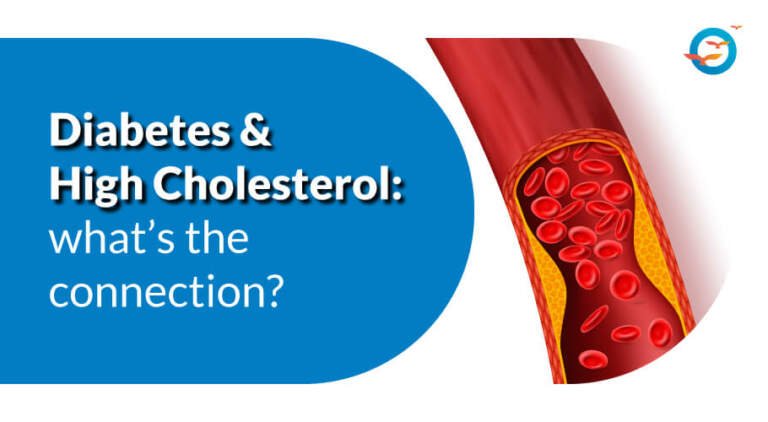
The connection between hypertension and diabetes is strong. High blood sugar can damage blood vessels over time. It may also increase plaque buildup in arteries, causing them to narrow and stiffen.
When arteries become less flexible, the heart must work harder to pump blood. This can raise blood pressure.
At the same time, high blood pressure can worsen damage to kidneys, eyes, heart, and nerves in people with diabetes.
Shared Risk Factors
Both conditions often develop due to the same root causes:
- Obesity
- Inflammation
- Insulin resistance
- Smoking
- Heavy alcohol use
- High-salt processed food
- Low potassium intake
- Chronic stress
- Sedentary lifestyle
That is why hypertension and diabetes often appear together.
Complications of Hypertension and Diabetes
If left unmanaged, these two conditions may lead to serious health problems.
1. Heart Disease
Both conditions strain the heart and blood vessels, increasing heart attack risk.
2. Stroke
Blocked or damaged arteries can interrupt blood flow to the brain.
3. Kidney Damage
The kidneys are highly sensitive to pressure and sugar damage. Severe cases may require dialysis.
4. Eye Problems
Diabetic retinopathy and pressure-related vessel damage can reduce vision.
5. Nerve Damage
Poor circulation and high sugar can harm nerves, especially in feet and hands.
Best Treatment for Hypertension and Diabetes
Managing hypertension and diabetes often starts with lifestyle improvement. In many cases, medication may also be needed.
1. Lose Extra Weight
Even losing 5% of body weight can improve blood pressure and sugar levels.
For example, if someone weighs 80 kg, losing just 4 kg may create noticeable benefits.
2. Stay Active
Exercise helps:
- Improve insulin sensitivity
- Lower blood pressure
- Support weight loss
- Boost energy
Aim for at least 150 minutes weekly.
Good options:
- Walking
- Cycling
- Jogging
- Swimming
- Dancing
- Strength training
- Yoga
3. Improve Your Diet
Choose foods that support stable sugar and healthy blood pressure.
Eat more:
- Fresh vegetables
- Fruits
- Whole grains
- Pulses
- Seeds
- Nuts
- Fiber-rich foods
Reduce:
- Fried foods
- Sugary snacks
- Processed food
- Excess salt
- Bakery items
- Refined carbs
Simple example: Replace chips with roasted chana or fruit.
4. Stop Smoking
Smoking damages blood vessels and increases complications rapidly, especially in diabetes.
5. Limit Alcohol
Alcohol adds calories, may raise blood pressure, and can disturb sugar control.
6. Take Medicines if Needed
Doctors may prescribe:
- Blood pressure medicines
- Diabetes medicines
- Cholesterol-lowering drugs
Always take medication only under professional guidance.
Why Regular Monitoring Matters
Because symptoms may stay silent, regular testing is essential.
Track:
- Blood pressure
- Fasting sugar
- HbA1c
- Kidney function
- Cholesterol
- Weight
Early correction prevents long-term damage.
Final Thoughts
The combination of hypertension and diabetes should never be ignored. Together, they increase the risk of heart disease, kidney failure, stroke, and nerve damage.
The positive side is that both conditions respond well to healthy habits. Better food choices, regular movement, weight control, stress management, and routine checkups can make a major difference.
Small daily actions can protect your future health.


Leave a Comment