
Labra Recipe | Healthy Bengali Mixed Vegetable Curry for a Diabetes-Friendly Dinner
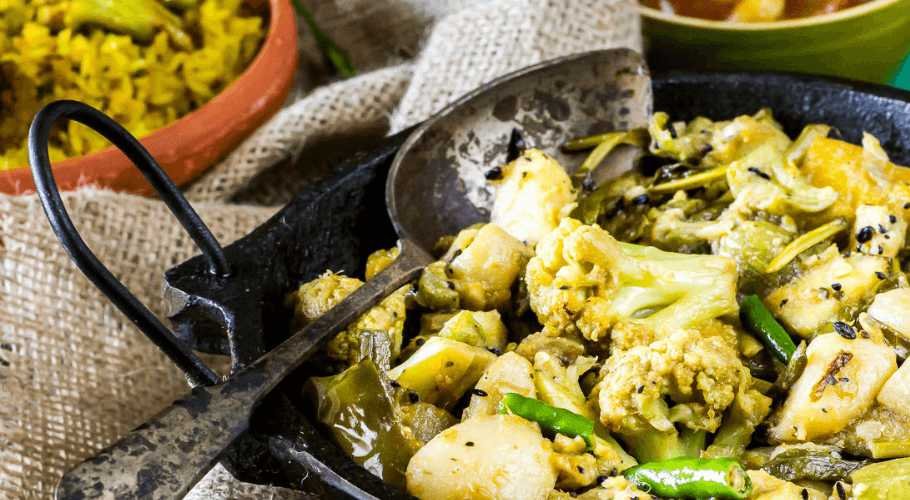
Labra is a traditional Bengali mixed vegetable dish that holds a special place in festive meals and everyday home cooking. Commonly served during religious celebrations and community feasts, this comforting recipe combines a variety of seasonal vegetables cooked together with aromatic spices. The vegetables soften beautifully while absorbing the flavors, creating a mildly spiced dry curry that pairs perfectly with rice or roti.
This healthier version retains the authentic taste while focusing on nutrient-rich vegetables and moderate use of oil. Packed with fiber, vitamins, and minerals, Labra makes an excellent dinner option for people looking to maintain balanced blood sugar levels without compromising on flavor.
Why This Labra Recipe Is Diabetes-Friendly
The strength of Labra lies in its variety of vegetables. Instead of relying on one primary ingredient, this recipe combines eggplant, cabbage, spinach, cauliflower, carrots, radish, sweet potato, and long beans, providing a wide range of nutrients in a single meal.
Vegetables rich in fiber help slow digestion and support gradual glucose absorption. Sweet potato replaces regular potato, offering more fiber and nutrients. The recipe also uses mustard oil sparingly and avoids heavy cream or rich gravies, making it lighter and suitable for a diabetes-friendly meal plan.
Health Benefits of Labra
Rich in dietary fiber that supports healthy digestion.
Contains several vegetables packed with vitamins and antioxidants.
Sweet potato provides complex carbohydrates and fiber.
Spinach contributes iron, folate, and vitamin K.
Cauliflower and cabbage are low in calories and high in nutrients.
Prepared with minimal oil for a lighter meal.
Ingredients
1 cup eggplant, thickly sliced
½ cup carrots, cut into thick wedges
1 cup cauliflower florets
½ cup cabbage, roughly chopped
½ cup yard-long beans, cut into 1-inch pieces
1 cup sweet potato, cubed
⅓ cup radish, cubed
1½ cups spinach, roughly chopped
1 tsp ginger paste
Pinch of asafoetida (hing)
½ tsp Panch Phoron (Bengali five-spice)
2 dried red chillies
1 tbsp mustard oil
Turmeric powder
Salt to taste
Water as required
Step-by-Step Method
Step 1: Prepare the Vegetables
Wash all the vegetables thoroughly. Cut them into similar-sized pieces to ensure even cooking. Keep each vegetable ready before starting the cooking process.
Step 2: Temper the Spices
Heat mustard oil in a heavy-bottomed pan or kadhai over medium heat. Once the oil is hot, add Panch Phoron and dried red chillies. Allow the spices to crackle before adding a pinch of asafoetida.
Step 3: Cook the Aromatics
Mix the ginger paste with a tablespoon of water and add it to the pan. Stir continuously until the moisture evaporates and the raw aroma disappears.
Step 4: Add the Firm Vegetables
Add the cabbage, radish, carrots, and yard-long beans first, as these vegetables require slightly longer cooking. Sprinkle turmeric and salt, stir well, cover, and cook for about 3–4 minutes.
Step 5: Add the Remaining Vegetables
Add the cauliflower, eggplant, sweet potato, and spinach. Mix gently so the vegetables are evenly coated with the spices. Cover the pan again and cook over medium heat.
The vegetables will gradually release their own moisture, helping them cook naturally without needing much additional water.
Step 6: Adjust the Consistency
Stir occasionally to prevent sticking. Once the vegetables become soft, add about half a cup of water if needed. Cover and continue cooking until the water is mostly absorbed and the vegetables are coated in a light masala.
Since Labra is traditionally a dry vegetable preparation, avoid adding excess water.
Step 7: Serve
Taste and adjust the seasoning if required. Serve hot immediately.
Tips for Best Results
Cut vegetables into similar-sized pieces for even cooking.
Avoid overcooking, as the vegetables should retain some texture.
Use fresh seasonal vegetables whenever available.
Mustard oil provides authentic Bengali flavor but can be replaced if preferred.
Stir gently while cooking to avoid breaking the vegetables.
Serving Suggestions
Labra pairs beautifully with brown rice, khapli wheat rotis, jowar rotis, or bajra rotis. It can also be served alongside dal for a complete, balanced meal. A bowl of fresh salad or plain vegan curd complements the flavors well.
Conclusion
Labra for diabetes is a simple yet nutritious Bengali mixed vegetable curry that celebrates the goodness of seasonal produce. This diabetes-friendly version combines fiber-rich vegetables, minimal oil, and gentle spices to create a wholesome dinner suitable for everyday meals. Easy to prepare and naturally rich in nutrients, it is an excellent way to include a variety of vegetables in your diet while enjoying authentic regional flavors.
Read more about diabetes friendly recipes visit our recipe section.
Source URL: https://www.freedomfromdiabetes.org/blog/post/5-best-east-indian-diabetes-friendly-dinner-recipes-ffd/2864


Leave a Comment