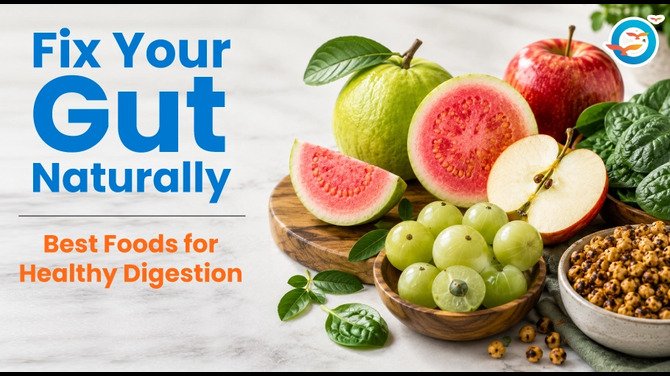

Fix Your Gut Naturally: Best Foods for Healthy Digestion
Understanding Why Digestive Health Matters
Digestive health plays an important role in maintaining overall well-being. While digestion is often associated only with the stomach, it affects many other functions in the body including nutrient absorption, immunity, metabolism, energy production, and maintaining balanced blood sugar levels.
Today, digestive concerns such as bloating, acidity, gas, constipation, discomfort after meals, and irregular bowel movements have become increasingly common. These issues are often linked to modern lifestyle habits including processed food consumption, irregular eating patterns, stress, low fiber intake, and inadequate hydration.
Understanding why digestion is important can help individuals make better dietary choices and support long-term health naturally.
Signs That Your Digestion May Need Support
Digestive imbalance does not always appear as stomach pain. Some common signs that may indicate poor digestion include:
- Frequent bloating
- Acidity or heartburn
- Gas formation
- Constipation
- Feeling heavy after meals
- Irregular bowel habits
- Low energy levels
- Reduced appetite
When digestion slows down, the body may not absorb nutrients efficiently, which can affect overall health and daily functioning.
Foods That Improve Digestion Naturally
One of the simplest ways to support digestive health is by including whole, fiber-rich, and minimally processed foods regularly.
Papaya and Other Gut-Friendly Fruits
Papaya is widely known as one of the best fruits for digestion. It contains papain, a natural enzyme that supports protein digestion and may help ease digestive discomfort. Along with fiber and water content, papaya supports smoother bowel movements.
Other fruits that can support digestion include:
- Guava
- Apples
- Pears
- Pomegranate
- Semi-ripe bananas
These fruits provide dietary fiber and natural compounds that help support healthy gut bacteria and improve digestive function.
Vegetables That Support Better Digestion
Vegetables are an important source of fiber, hydration, vitamins, and antioxidants. Including a variety of vegetables in meals may help maintain digestive comfort and regular bowel movements.
Some vegetables commonly considered beneficial for digestion include:
- Bottle gourd
- Pumpkin
- Spinach
- Carrot
- Beetroot
- Cucumber
- Sweet potato
Many people ask whether sweet potato supports digestion. Since it contains both soluble and insoluble fiber, it may contribute to improved bowel regularity and gut health.
Lightly cooked vegetables are often easier to digest than heavily processed or deep-fried preparations.
The Role of Fiber in Digestive Health
Fiber is one of the most important nutrients for digestive wellness. It supports stool movement, promotes healthy gut bacteria, and contributes to digestive regularity.
Two major types of fiber include:
- Soluble fiber – absorbs water and supports smoother digestion
- Insoluble fiber – adds bulk and supports regular bowel movements
Including fruits, vegetables, whole foods, seeds, and legumes may help increase daily fiber intake naturally.
Probiotic Foods for a Healthy Gut
The digestive system contains beneficial microorganisms that support digestion and overall health. Probiotic foods may help maintain this balance.
Examples of simple probiotic foods include:
- Naturally fermented kanji
- Homemade fermented vegetables
These foods may support healthy digestion, improve nutrient absorption, and contribute to maintaining gut microbial balance.
Natural Ingredients That May Support Digestion
Several traditional ingredients are commonly used to support digestive comfort.
Examples include:
- Ginger
- Jeera (cumin)
- Ajwain
- Fennel seeds
- Mint
- Amla
These ingredients are often included in meals and beverages to support digestion and reduce occasional bloating or heaviness.
Best Morning Drinks for Gut Health
Starting the day with simple hydration habits may support digestive function.
Common choices include:
- Warm water
- Jeera water
- Ginger-infused water
- Amla drink
These drinks may support hydration and help promote regular digestive activity.
Healthy Snack Options for Better Digestion
Replacing processed snacks with simple whole-food options may support digestive comfort.
Examples include:
- Roasted chana
- Fresh fruit with nuts
- Coconut pieces
- Mixed seeds
- Vegetable sticks
These options provide fiber and nutrients without excessive additives.
Foods That May Negatively Affect Digestion
Improving digestion is not only about adding beneficial foods but also reducing foods that may contribute to digestive discomfort.
Try limiting:
- Fried foods
- Ultra-processed foods
- Excess sugar
- Refined flour products
- Artificial sweeteners
- Heavy late-night meals
These eating patterns may contribute to bloating, acidity, and sluggish digestion.
Conclusion
Good digestion supports many essential body functions beyond the digestive tract itself. Building meals around fruits, vegetables, fiber-rich foods, probiotic foods, and simple traditional ingredients may help support digestive comfort and overall wellness.
Small and consistent food choices over time can contribute to maintaining a healthy digestive system and better daily well-being.
Do you want to read more, visit our blog on fix your gut health naturally.





Leave a Comment