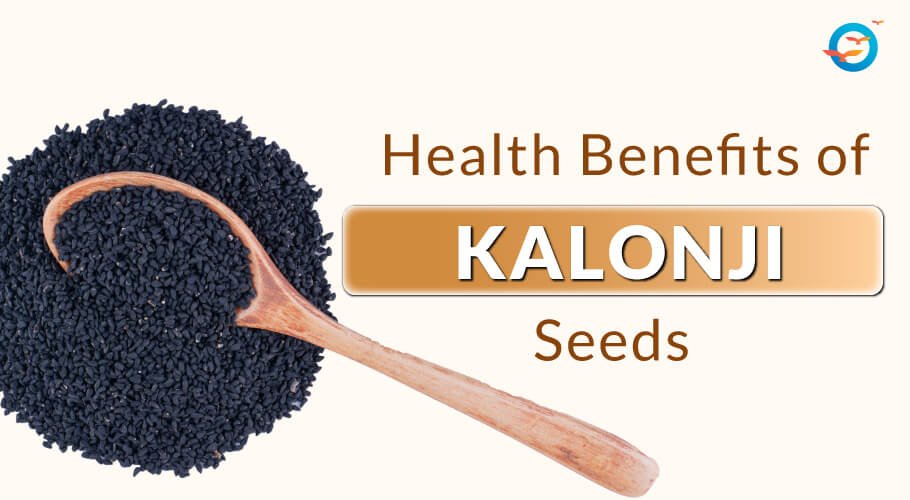

Health Benefits of Kalonji Seeds
Seeds are often called nature’s nutrient boosters, and kalonji seeds are among the most valued traditional options. Known scientifically as Nigella sativa, these tiny black seeds are also called black cumin or nigella seeds. They have been used for centuries in cooking as well as natural wellness practices.
Kalonji seeds have a slightly bitter, peppery taste and are commonly added to breads, curries, pickles, and herbal preparations. Modern interest in these seeds continues because of the many possible health benefits of kalonji seeds.
What Are Kalonji Seeds?
Kalonji seeds come from a flowering plant in the buttercup family. The seeds are small, black, and aromatic.
They are different from regular cumin despite sometimes being called black cumin. Their distinct taste and nutrient content make them popular in many traditional cuisines.
Today, kalonji is used in seed form, powder form, and as kalonji oil.
Nutritional Value of Kalonji Seeds
Kalonji seeds contain several nutrients that support general health. These include fiber, plant protein, healthy fats, iron, calcium, potassium, magnesium, and antioxidant compounds.
Because of this rich profile, the health benefits of kalonji seeds extend across multiple body systems.
May Support Healthy Blood Sugar Levels
One of the most discussed benefits of kalonji is its possible role in supporting blood sugar balance.
Some research suggests kalonji may help improve glucose metabolism when combined with a healthy lifestyle. This is why many people search for kalonji seeds for sugar patients.
However, anyone taking diabetes medication should monitor sugar carefully and speak with a healthcare provider before using it regularly.
May Help Heart Health
Kalonji seeds contain antioxidants and beneficial plant compounds that may support cardiovascular wellness.
They may help with maintaining healthy cholesterol balance and supporting normal circulation when included as part of a balanced diet.
Heart health improves most when kalonji is combined with exercise, good sleep, and nutritious food choices.
May Support Healthy Blood Pressure
Some early studies and traditional practices suggest kalonji may help support normal blood pressure levels.
This may be linked to its antioxidant content and possible effect on blood vessel function.
Still, it should not replace prescribed treatment.
Can Support Digestion
Kalonji has traditionally been used to support digestive comfort.
It may help with:
mild bloating, occasional indigestion, gas, and digestive sluggishness.
Using small culinary amounts in meals is the safest and easiest way to include it.
Rich in Antioxidants
One of the key health benefits of kalonji seeds comes from antioxidant compounds such as thymoquinone.
Antioxidants help the body fight oxidative stress caused by pollution, poor diet, and daily wear and tear.
Reducing oxidative stress may support long-term wellness.
May Support Weight Management
Kalonji alone is not a magic solution, but it may support healthier weight management when paired with diet and exercise.
Its fiber content can support fullness, while improved metabolic health may indirectly help body composition goals.
Immune Support Potential
Traditional systems have used kalonji for supporting natural immunity.
Its nutrients and plant compounds may help the body’s defense systems function more effectively as part of a healthy lifestyle.
How to Eat Kalonji Seeds
Kalonji seeds are easiest to use in small culinary amounts.
You can add them to:
curries, vegetable dishes, rotis, salads, soups, seed mixes, and homemade breads.
Some people also use kalonji oil in tiny measured quantities, but dosage should be discussed with a healthcare professional.
How Much to Use Daily
Moderation is best.
For most adults, small amounts such as 1 to 2 teaspoons of seeds in food are commonly used. Higher doses are not always better.
Possible Side Effects
Kalonji seeds are usually well tolerated in food amounts.
Large amounts may sometimes cause:
low blood sugar, low blood pressure, digestive irritation, or interactions with medicines.
People who are pregnant, breastfeeding, preparing for surgery, or taking medication should seek medical guidance before concentrated use.
Final Thoughts
The health benefits of kalonji seeds make them a valuable traditional food ingredient. They may support blood sugar balance, heart health, digestion, antioxidant protection, and overall wellness.
While kalonji is not a cure for disease, using it sensibly as part of a balanced lifestyle can be beneficial.
Sometimes the smallest seeds carry the biggest nutritional value.
Read more: https://www.freedomfromdiabetes.org/blog/post/health-benefits-of-kalonji-seeds/383


Leave a Comment