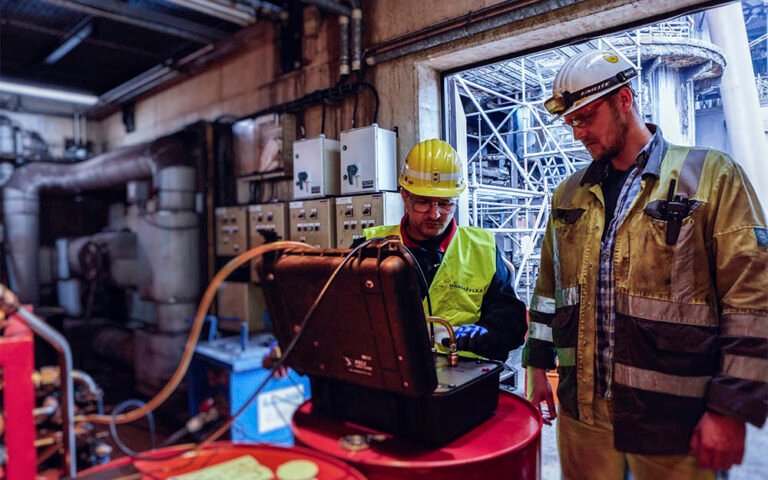

The secret to a 24/7 uptime isn’t just better hardware, it’s cleaner oil. Many people focus on machines, spare parts, and new equipment, but they often forget what keeps everything running smoothly behind the scenes. Industrial oil plays a silent but powerful role in protecting your machines, reducing friction, controlling heat, and preventing wear.
Managing industrial oils properly is not complicated, but it does require attention and consistency. When you handle oils the right way, you protect your investment, reduce downtime, and save money in the long run.
Let’s explore the best practices you should follow to manage industrial oils properly.
Properly Monitor Oil Condition
The first and most important step is to regularly check the condition of your oil. You should never assume that oil is fine just because the machine is running. It can collect dirt, water, and metal particles. These contaminants reduce its performance and can damage internal components.
By using professional oil analysis services, you can test the oil and understand its real condition. These tests tell you if the oil is still healthy or needs to be changed. It helps you prevent sudden breakdowns and also enables you to make smarter decisions instead of changing oil too early or too late.
Store Oils Correctly
Storage might sound simple, but it makes a big difference. Storing oil in a dirty, humid, or open area can begin the contamination even before the oil enters your machine. So, always keep oil drums sealed and stored indoors, away from dust and moisture. Make sure containers are clearly labelled to avoid mixing different types. Temperature also matters. Extreme heat or cold can affect oil quality.
Creating a clean and organised storage area protects the oil from damage. Good storage practices also ensure that the oil you pour into your equipment is clean and ready to perform properly from day one.
Use the Right Oil for Each Machine
Not all oils are the same, and using the wrong type can cause serious issues. Each machine has specific requirements based on its design, speed, and working conditions. You should always check the manufacturer’s guidelines before choosing oil. Using the correct viscosity and grade helps maintain proper lubrication and temperature control.
Wrong oil can increase friction and cause parts wear out faster, leading to higher maintenance costs and unexpected failures. By matching the right oil to the right machine, you can improve efficiency and extend equipment life.
Maintain Clean Transfer Practices
Even high-quality oil can become contaminated during transfer. So, when moving oil from storage to machinery, you must use clean tools, pumps, and containers. Dirty funnels and open buckets introduce dust and particles directly into the system. It is also important to wipe connection points before opening them.
These small habits prevent contamination at a critical stage. It protects both the oil and the machine.
Implement Scheduled Oil Changes
Waiting for a machine to fail before changing oil is never a smart move. Instead, you should create a planned oil change schedule based on machine usage and oil condition reports. Some machines operate in heavy conditions and may require more frequent changes. Others may run smoothly for longer periods. A proper schedule reduces guesswork and keeps everything consistent. It also helps you plan maintenance without interrupting production.
By following a clear schedule, you can avoid both overuse and unnecessary changes. This balance keeps your operation cost-effective while protecting your equipment.
Control Contamination Proactively
Contamination is one of the biggest enemies of industrial oil. Dust, water, and metal particles can enter the system through seals, breathers, or during maintenance. You should inspect seals regularly and replace damaged ones immediately. Installing quality filters and breathers can reduce the risk of airborne contaminants. It is also wise to check for water presence, especially in humid environments.
Train Your Maintenance Team
Your oil management plan is only as strong as the people handling it. Make sure your maintenance team understands why proper oil care matters. Simple training sessions can teach them how to spot early warning signs such as colour changes, unusual smells, or leaks. They should also know the correct handling and storage procedures. When your team understands the impact of their actions, they become more careful and responsible. It reduces human errors and improves overall reliability.
Dispose of Used Oil Responsibly
Managing industrial oil does not end when it is drained from the machine. Used oil must be handled carefully to protect the environment and follow legal rules. Never pour it into drains or open land. Instead, work with authorised providers that specialise in waste oil collection. They ensure that used oil is recycled or disposed of safely.
Proper disposal protects soil, water, and your company’s reputation. It also keeps you compliant with environmental regulations.
In a Nutshell
Managing industrial oils is not about one single action. It is about building good habits and following them consistently. By following these practices, you can create a strong system that protects your machines and your business. It results in increasing your equipment life, fewer breakdowns, and smoother operations.


Leave a Comment